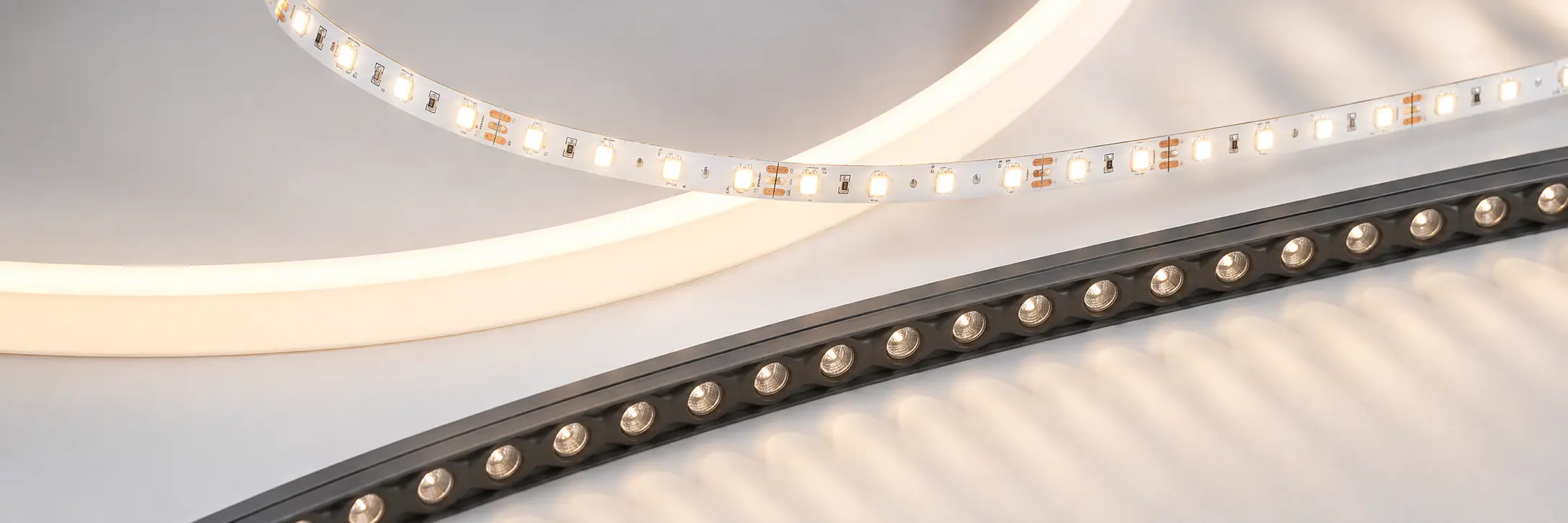
LED strips, neon flex and flexible wall washers can all create long lines of light, but they are not interchangeable products.
Their fundamental jobs are different:
- LED strip generates flexible linear light for profiles, coves, cabinets and concealed details.
- Neon flex creates a continuous luminous line intended to be seen directly.
- Flexible wall washer uses optical lenses to project and distribute light across a wall or façade.
The most common selection mistake is choosing by physical appearance instead of asking where the light needs to go.
A flexible product that glows brightly when viewed from one meter away may fail to illuminate the upper part of a four-meter wall. A powerful wall washer may illuminate that wall effectively but look uncomfortable when used as an exposed decorative line.
Start with the required lighting effect, then select the product.
Quick Answer
Choose an LED strip when you need:
- Cove lighting
- Cabinet or shelf lighting
- Indirect architectural light
- Small installation dimensions
- Short cutting intervals
- High luminous efficacy
- Flexible selection of profiles and diffusers
- Tunable white, RGBW or addressable control
Choose neon flex when you need:
- A visible continuous line of light
- Building outlines
- Signage
- Curved decorative shapes
- Dotless direct-view illumination
- Silicone or polyurethane protection
- Vertical, horizontal, 3D or 360-degree bending options
Choose a flexible wall washer when you need:
- Light projected up a wall
- Façade washing
- Wall grazing
- Controlled narrow or asymmetric beams
- Curved-wall illumination
- Higher directional intensity
- Optical control over spill and glare
The decision can be reduced to one question:
Should the viewer see the light source, see the glow around it or see a distant surface illuminated by it?
| Desired result | Best starting product |
|---|---|
| Hidden source creating ambient glow | LED strip |
| Visible continuous luminous line | Neon flex |
| Light projected across a wall | Flexible wall washer |
Three Products, Three Different Optical Functions
LED Strip: A Flexible Light Engine
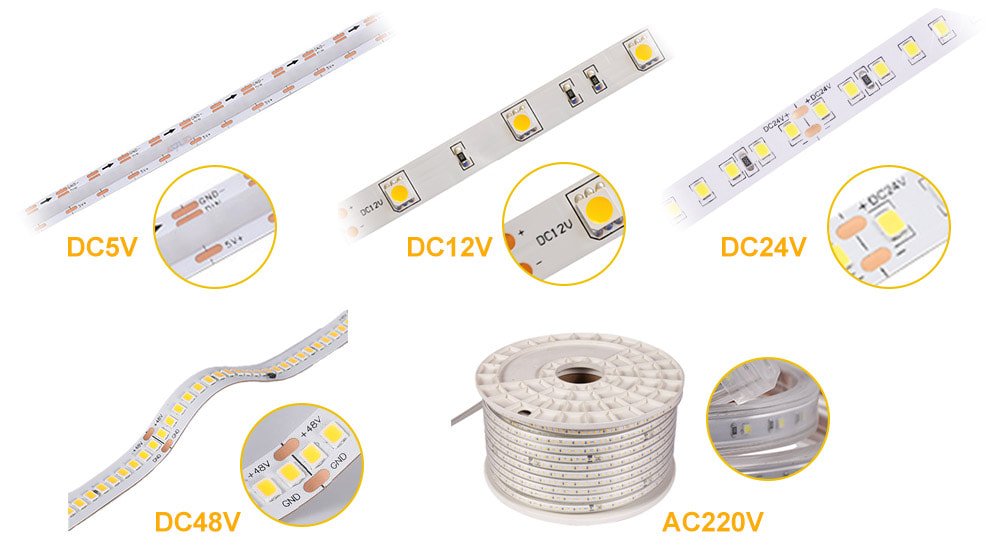
An LED strip is a flexible PCB carrying LEDs and electrical components.
It may be:
- Bare
- Coated
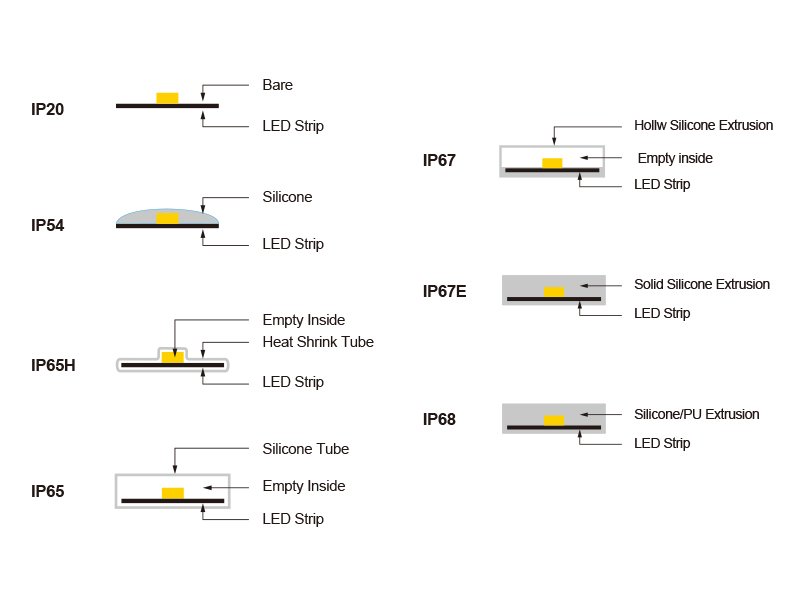
- Waterproofed
- Installed inside an aluminum profile
- Combined with a diffuser
- Hidden inside a cove
- Integrated into furniture
The strip itself is normally a component rather than a complete architectural luminaire.
Its final performance depends on:
- LED package
- LED density
- PCB construction
- Watts per meter
- Aluminum profile
- Diffuser
- Driver
- Controller
- Mounting surface
- Viewing distance
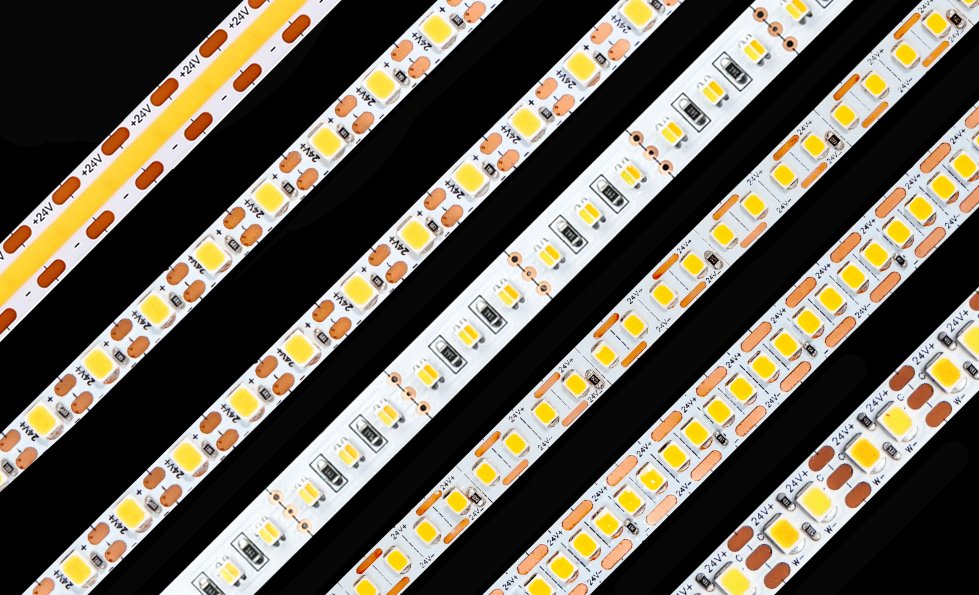
A conventional SMD strip may show individual LED points. A high-density SMD or COB strip can create a smoother line, particularly when matched with the correct LED aluminum profile.
Best Uses for LED Strip
- Ceiling coves
- Under-cabinet lighting
- Shelf lighting
- Furniture
- Display cases
- Mirror backlighting
- Stair details
- Recessed architectural lines
- Backlit panels
- Interior accent lighting
Neon Flex: A Flexible Luminous Object
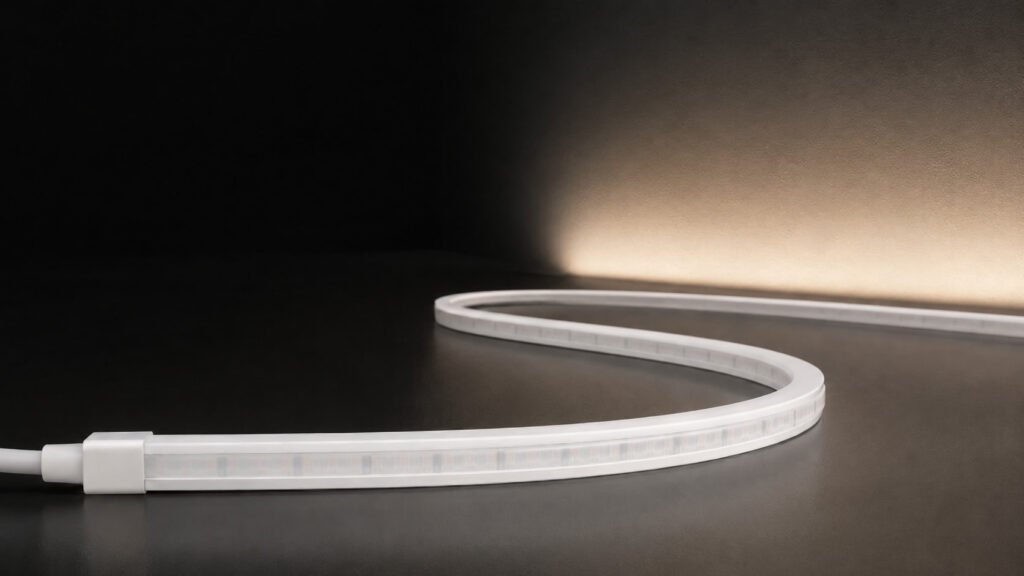
LED neon flex places an internal LED light engine inside an extruded silicone, polyurethane or PVC optical body.
The material performs several functions:
- Diffuses the LEDs
- Forms the visible emitting surface
- Protects the internal circuit
- Defines the bend direction
- Provides a mounting shape
- Controls part of the environmental protection
Unlike a bare strip, neon flex is normally selected because the luminous line itself will be visible.
Best Uses for Neon Flex
- Building outlines
- Decorative contours
- Logos
- Letters
- Curved ceilings
- Landscape outlines
- Hospitality details
- Direct-view architectural lines
- Artistic installations
- Poolside or underwater accents using appropriately tested products
Flexible Wall Washer: A Flexible Optical Luminaire
A flexible wall washer contains LEDs, an enclosure and optical lenses designed to control the beam.
Its purpose is not merely to glow. It must deliver light in a defined direction.
Common optical options can include:
- Narrow symmetric beam
- Medium beam
- Wide beam
- Elliptical beam
- Asymmetric beam
The correct lens can push light farther up a wall, spread it horizontally or reduce backward spill.
Best Uses for Flexible Wall Washer
- Building façades
- Curved walls
- Columns
- Bridges
- Landscape walls
- Textured stone
- Architectural waves
- Irregular exterior paths
- Wall washing
- Wall grazing
Side-by-Side Comparison
| Feature | LED strip | Neon flex | Flexible wall washer |
| Primary purpose | General linear illumination | Visible continuous light line | Project light onto a surface |
| Typical optical distribution | Broad, uncontrolled without profile | Broad diffused glow | Controlled by lenses |
| Direct-view appearance | Product and profile dependent | Usually smooth and continuous | Can be bright or glary if visible |
| Wall-throw capability | Limited without optics | Limited | Designed for projection |
| Typical dimensions | Smallest | Medium | Largest |
| Cut flexibility | Usually best | Moderate | Usually longest cut units |
| Bend options | PCB-dependent | Vertical, horizontal, 3D or round options | Top, side or 3D bending by model |
| Thermal behavior | Best when properly mounted to metal | Encapsulation can retain heat | Higher power requires thermal validation |
| Optical efficiency | Often highest as a bare strip | Diffusing material creates losses | Lens losses but better directional utilization |
| Environmental options | IP20 to encapsulated versions | Commonly IP65–IP68 by construction | Commonly outdoor constructions |
| Installation | Profile, tape or clips | Channel or clips | Mounting channel or brackets |
| Typical control | White, CCT, RGBX, SPI | White, CCT, RGBX, DMX/SPI | White, CCT, RGBW, DMX/DALI options |
| Best project scale | Furniture to architecture | Decorative and architectural | Façade and surface illumination |
| Main selection risk | Visible dots and heat | Wrong bend direction or seal | Wrong beam and mounting distance |
The Most Important Difference: Lumens vs Candela
LED strip and neon-flex datasheets often emphasize:
- Lumens per meter
- Watts per meter
- Lumens per watt
Those values remain relevant for wall washers, but they are not sufficient.
A wall washer also requires directional intensity data, usually expressed in candela at different angles.
The Illuminating Engineering Society explains that IES photometric files contain luminous-intensity distribution data that lighting software can use to predict project light levels. See the IES guide to photometric files.
Why a Lower-Lumen Wall Washer Can Illuminate a Wall Better
Consider two hypothetical products.
Product A: Broad LED Strip
- 1,500 lm/m
- Broad uncontrolled output
- Large amount of light travels into the room or sky
Product B: Flexible Wall Washer
- 1,200 lm/m
- Narrow asymmetric lens
- Light is directed onto the façade
Product B produces fewer total lumens but may create much higher vertical illuminance on the target wall.
The wall washer is not generating more light. It is using its light more effectively for that particular task.
This is why a product comparison based only on lm/m can select the wrong fixture.
Wall Washing vs Wall Grazing
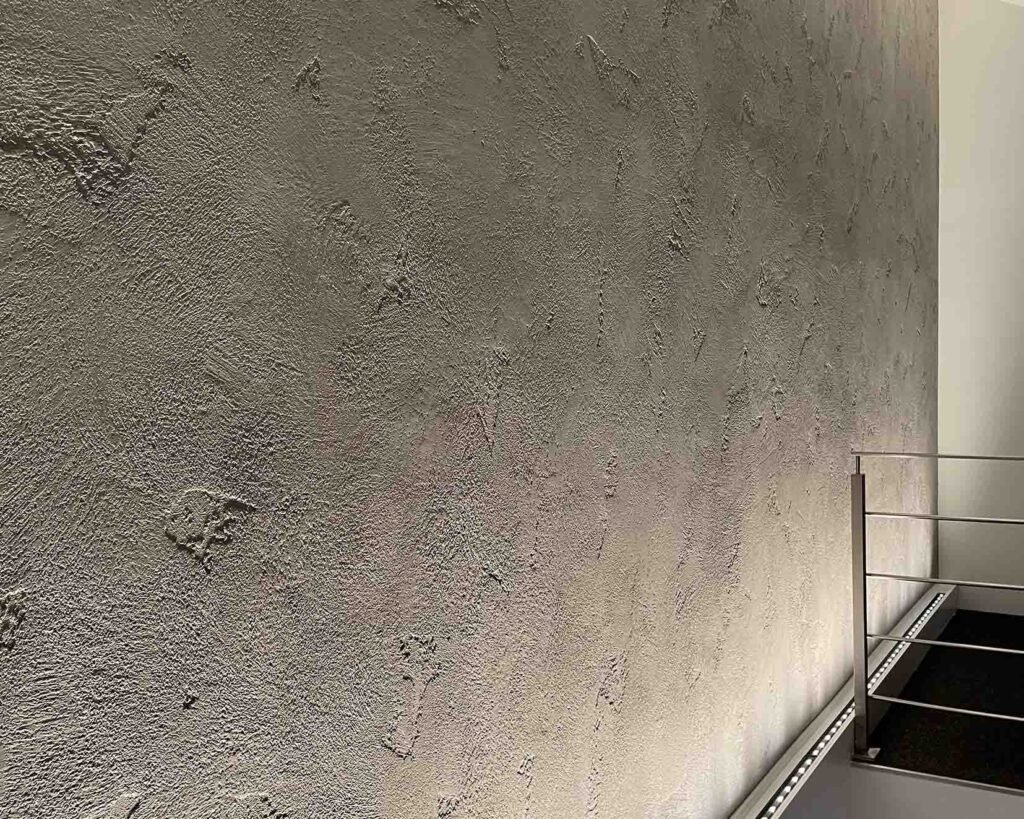
A flexible wall washer can be used for two different design effects.
Wall Washing
Wall washing aims to create relatively smooth illumination across a vertical surface.
The fixture is normally positioned far enough from the wall for adjacent beams to overlap.
The desired result is usually:
- Even vertical brightness
- Reduced scalloping
- Soft surface appearance
- Controlled top-to-bottom variation
- Fewer hard shadows
Use wall washing for:
- Smooth plaster
- Painted façades
- Gallery walls
- Commercial entrances
- Large uniform surfaces
Wall Grazing
Wall grazing places the light closer to the surface to reveal texture through highlights and shadows.
The desired result is usually:
- Strong material texture
- Dramatic shadows
- Visible relief
- Emphasis on brick, stone or concrete
Use wall grazing for:
- Natural stone
- Brick
- Ribbed concrete
- Timber relief
- Sculptural façades
Wall Grazing Can Reveal Defects
A grazer does not distinguish between intentional texture and poor workmanship.
It can emphasize:
- Uneven joints
- Patches
- Surface waves
- Fastener marks
- Misaligned panels
- Construction defects
Approve the effect with the actual wall material before finalizing the fixture.
Why Ordinary LED Strip Is Not a Wall Washer
A high-output strip may produce enough lumens, but without optics it usually emits light across a broad angle.
At short distance, this can create:
- A bright region near the strip
- Rapidly declining light farther up the wall
- Excessive spill
- Glare
- Poor vertical uniformity
Installing a strip inside an angled aluminum profile changes its orientation but does not necessarily create a controlled wall-washing distribution.
For short decorative surfaces, an angled strip may be sufficient. For tall walls or critical façades, use photometrically tested optics.
Why Neon Flex Is Not a Wall Washer
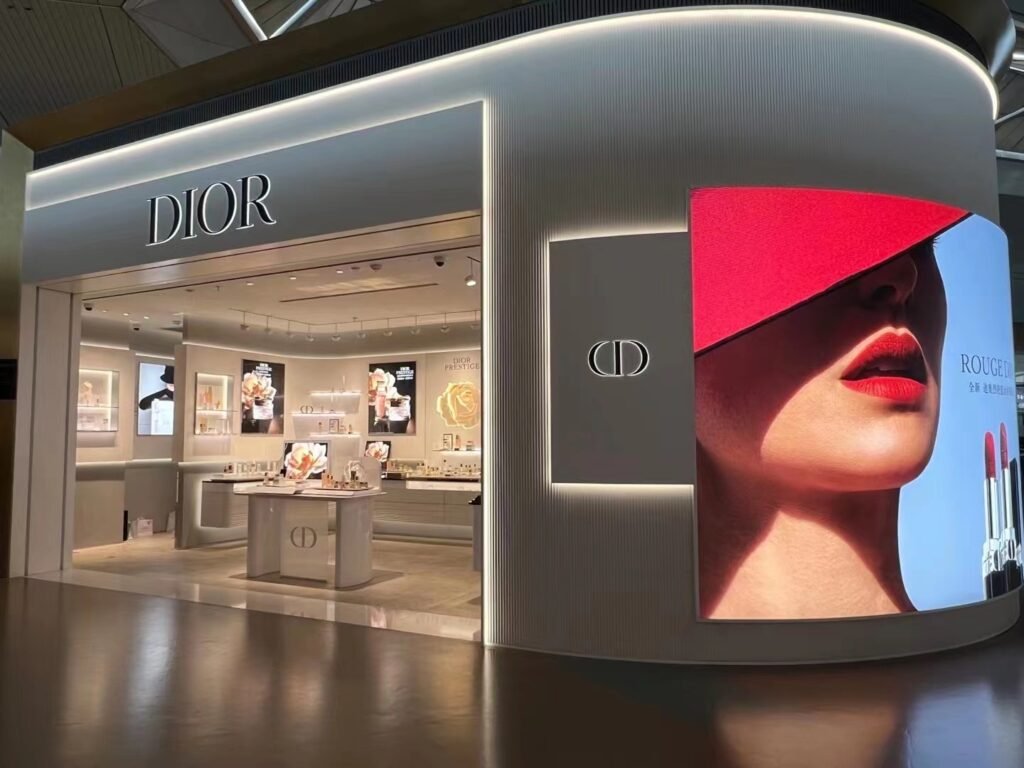
Neon flex distributes light through a diffusing body to make the emitting line appear smooth.
That diffusion is almost the opposite of what a long-throw wall washer needs.
Neon flex is excellent when the design wants to see:
- The glowing contour
- A continuous line
- A logo or shape
- A low-level halo
It is less effective when the goal is:
- Illuminating the top of a tall wall
- Creating controlled asymmetric distribution
- Minimizing light spill
- Achieving defined vertical uniformity
A very bright neon line at the base of a façade may still leave the upper wall dark.
LED Strip Selection: More Than LED Density
When selecting an LED strip, specify:
- Required lumens per meter
- Maximum watts per meter
- LED efficacy
- CCT
- CRI, R9 or TM-30 where required
- LED density
- LED pitch
- PCB width
- Cut length
- Voltage
- Maximum run per feed
- Profile
- Diffuser
- Installed output
- Viewing distance
SMD vs COB
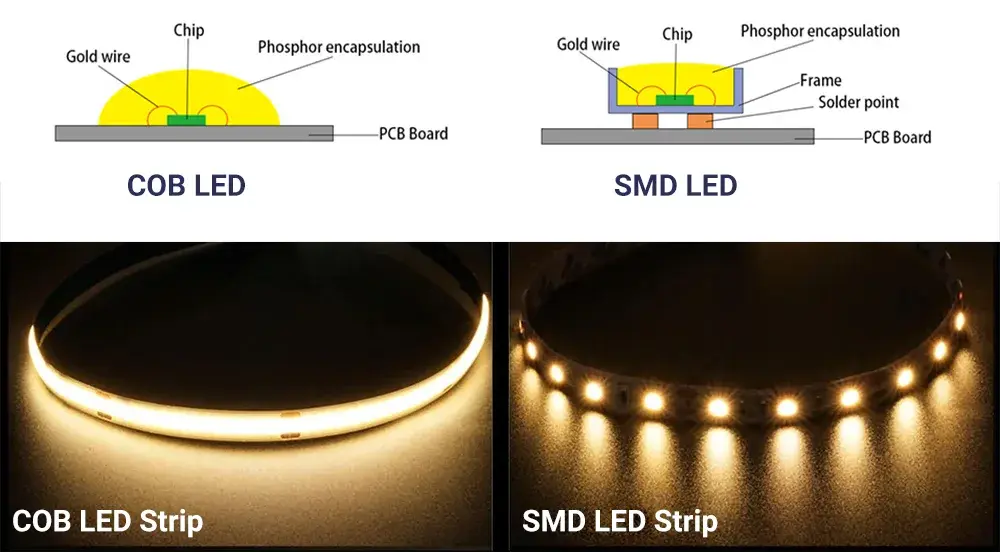
Choose SMD when the project prioritizes:
- High efficacy
- High output
- Specialized packages
- Addressable or multichannel options
- Broad product selection
Choose COB when the project prioritizes:
- Continuous appearance
- Shallow profiles
- Direct or close viewing
- Reduced visible LED points
COB does not automatically provide higher efficacy or lower temperature. Compare the exact W/m, lm/m, lm/W and thermal data.
Xmart offers COB LED strip configurations with different voltages, PCB widths, CCTs and color modes for profile-based linear lighting.
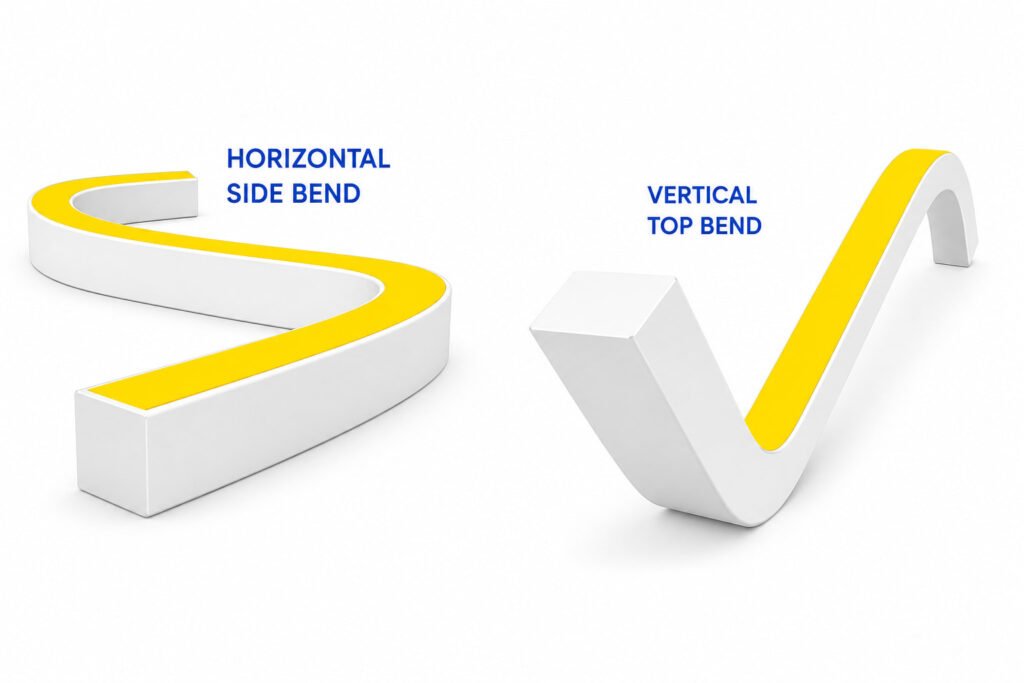
Neon Flex Selection: Bend Direction Comes First
“Flexible” does not mean the product can bend in every direction.
The internal PCB orientation and silicone profile determine the permitted bend axis.
Top-Bending or Vertical-Bending Neon
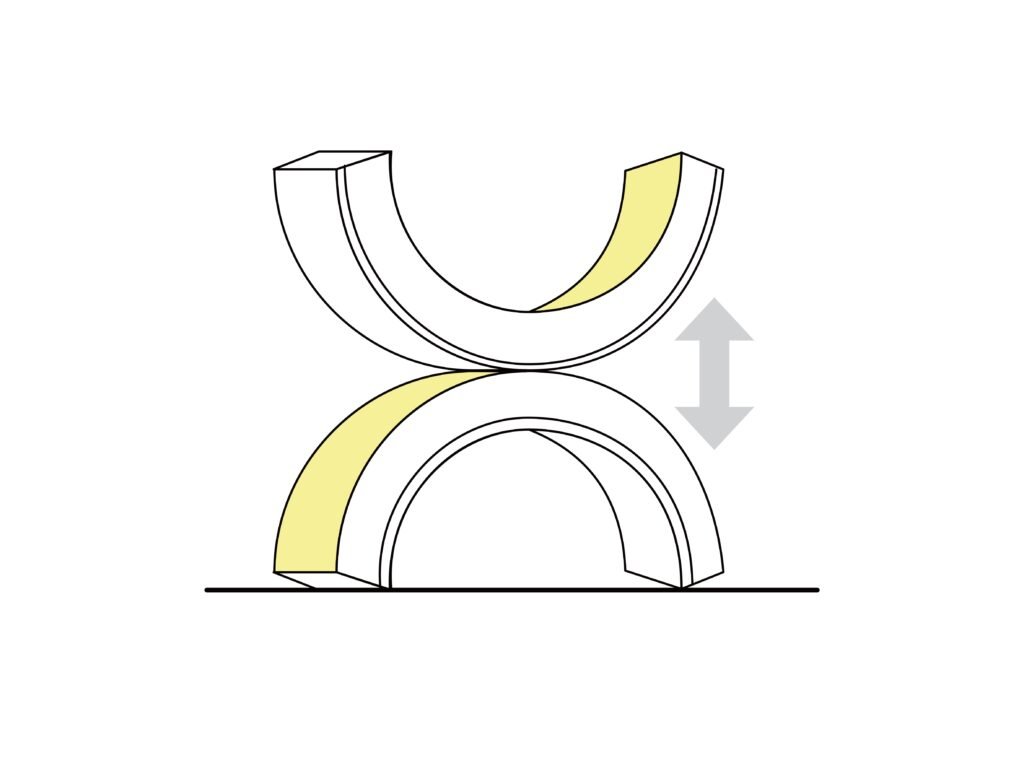
Depending on manufacturer terminology, this construction bends in the direction permitted by its vertical profile geometry.
It may be suitable for:
- Arches
- Building sections
- Curves in a vertical plane
- Certain column or façade details
Side-Bending or Horizontal-Bending Neon
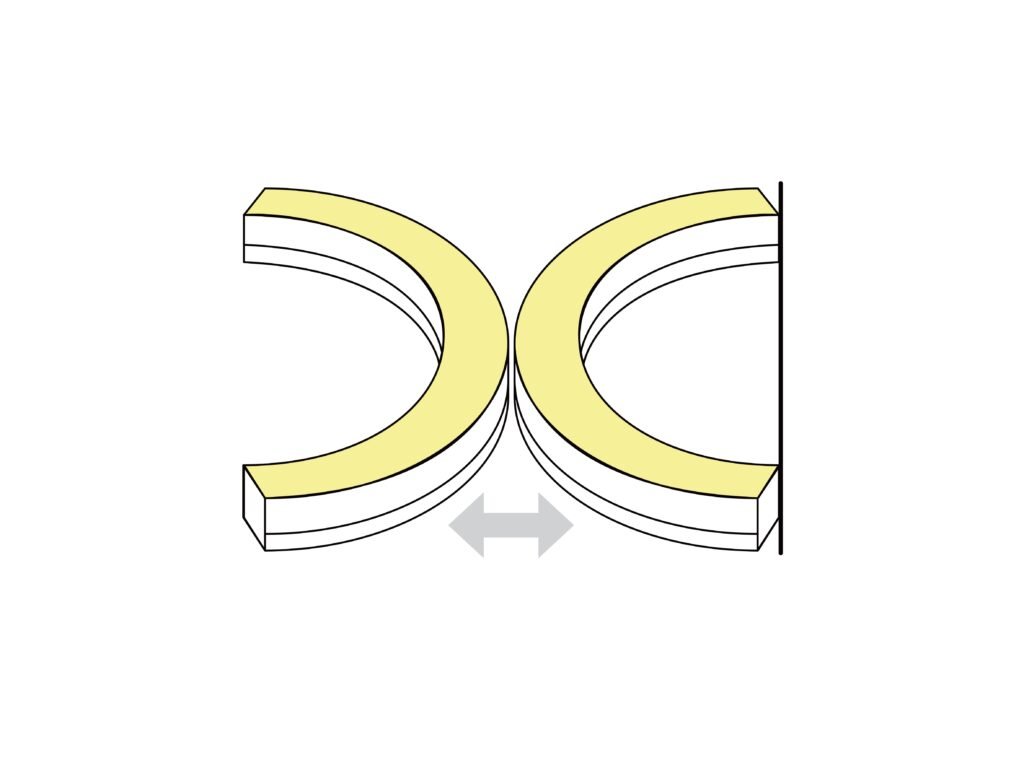
This construction bends laterally when viewed from the emitting face.
It may be suitable for:
- Letters
- Logos
- Floor-plan curves
- Landscape paths
- Horizontal architectural outlines
3D-Bending Neon
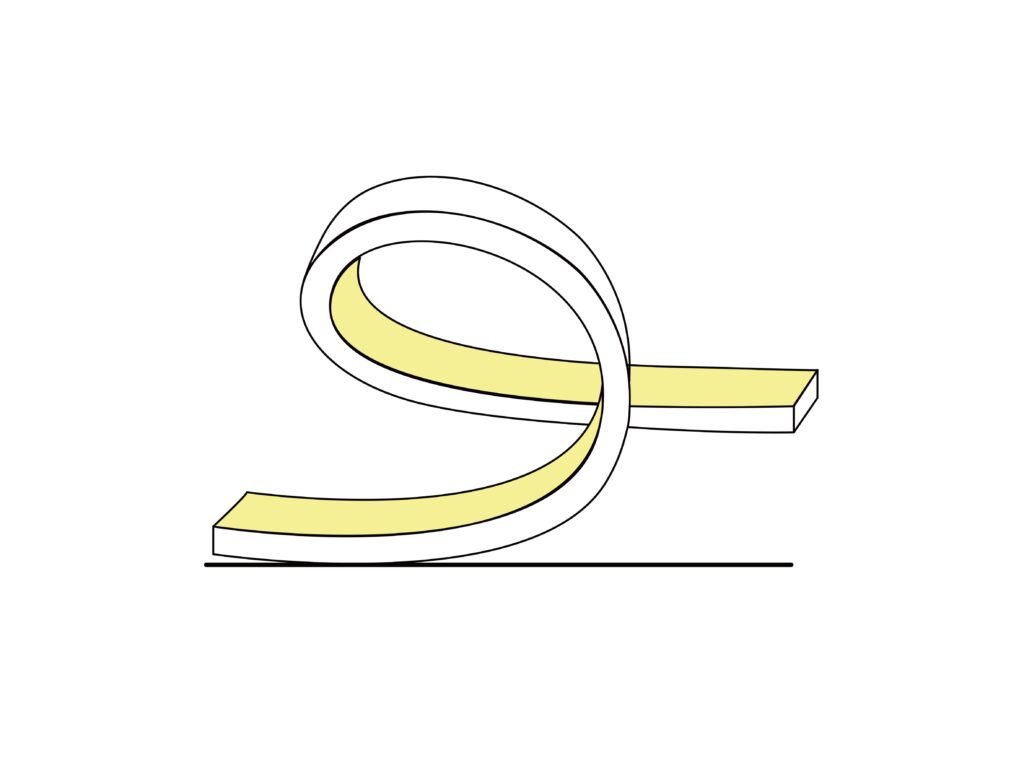
A 3D construction is designed to accommodate more than one bend direction.
It can help with:
- Complex architectural curves
- Sculptural lines
- Irregular surfaces
- Transitions between planes
Its minimum bend radius and twisting restrictions still apply.
360-Degree Neon
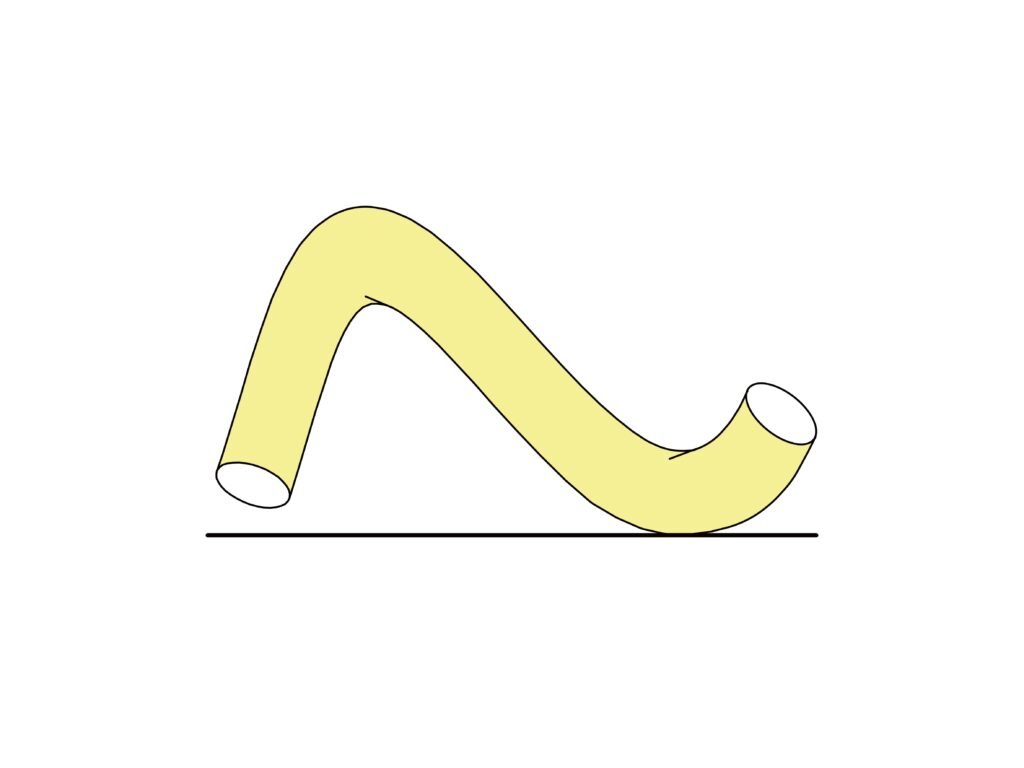
A round neon product emits around most or all of its circumference.
It is appropriate for:
- Suspended luminous lines
- Artistic installations
- Decorative pendants
- Glass-neon-style effects
It is not necessarily the best option for efficiency or precise surface illumination.
Never Twist Neon to Compensate for the Wrong Bend Type
Forcing neon flex against its permitted axis can cause:
- Internal PCB damage
- Solder-joint cracking
- Silicone stress
- Optical distortion
- Loss of IP integrity
- Premature section failure
Specify:
- Bend direction
- Minimum bend radius
- Maximum twist
- Profile size
- Light-emitting surface
- Cable direction
Flexible Wall Washer Selection: Beam Comes First
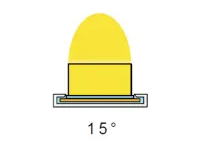
The lens is one of the most important wall-washer components.
Possible beam categories include:
- 15° narrow beam
- 30° medium beam
- 45° or 60° wide beam
- 10° × 60° elliptical beam
- 20° × 45° asymmetric or elliptical beam
These are examples only. Available distributions depend on the exact product.
Narrow Beam
Advantages:
- Greater directional intensity
- Potentially longer vertical reach
- Less side spill
- Dramatic grazing effects
Risks:
- Sensitive to aiming
- Visible scalloping
- Bright hot spots
- Installation tolerances become critical
Wide Beam
Advantages:
- Broader coverage
- Softer transitions
- Better for shorter surfaces
- Less sensitive in some close-range applications
Risks:
- Reduced throw
- More spill
- Lower intensity at the upper wall
- Potential glare toward viewers
Asymmetric Beam
Advantages:
- Pushes more light toward the wall
- Can improve top-to-bottom coverage
- Reduces wasted backward light
- Useful when the fixture must remain close to the wall
Risks:
- Orientation is critical
- Reversed installation can send light in the wrong direction
- Photometric simulation must use the correct orientation
Beam Angle Is Not Enough
Two products both labeled 30° can have different:
- Peak candela
- Field angle
- Beam shape
- Edge softness
- Secondary spill
- Distribution symmetry
Review:
- Polar intensity diagram
- IES or LDT file
- Isolux diagram
- Peak candela
- Beam and field angles
- Tested output
- Test orientation
Use Photometric Simulation for Wall-Washer Projects
For a large façade, create a lighting calculation using:
- Exact fixture IES file
- Wall height
- Fixture setback
- Fixture orientation
- Surface reflectance
- Mounting height
- Continuous or segmented layout
- Surrounding ambient light
- Maintenance factor
Evaluate:
- Minimum vertical illuminance
- Average vertical illuminance
- Maximum vertical illuminance
- Max-to-min ratio
- Top-to-bottom variation
- Light spill
- Glare
- Upward light
A straight-segment IES file may not fully represent a fixture bent around a tight curve because each section points in a different direction. Model the curved installation as multiple correctly oriented segments when project accuracy matters.
Bending Comparison
| Mechanical requirement | LED strip | Neon flex | Flexible wall washer |
| Gentle one-axis bend | Usually possible | Yes, in specified axis | Product dependent |
| Tight radius | Narrow strip may perform well | Limited by profile | Limited by lens and housing |
| Side bending | Requires side-bending PCB or product | Select side-bend construction | Select suitable model |
| Vertical bending | Standard PCB bends in its designed plane | Select vertical-bend construction | Select suitable model |
| Dual-axis movement | Very limited | 3D construction required | 3D/free-bending construction required |
| Twisting | Usually not permitted | Normally restricted | Normally restricted |
| Sharp 90° corner | Cut and connect | Molded corner or separate pieces | Separate segments or approved accessory |
| Continuous light through corner | System dependent | Often achievable with proper product | Difficult while preserving beam direction |
Do not approve flexibility from a hand-bent sample alone.
Request:
- Minimum static bend radius
- Minimum dynamic bend radius, if applicable
- Number of permitted bending cycles
- Bending axis diagram
- Prohibited bend directions
- Installation-temperature limits
- Distance from connector to first bend
Size and Visual Integration
LED Strip
Advantages:
- Smallest footprint
- Fits narrow grooves
- Can disappear inside millwork
- Large choice of PCB widths
- Short cut units available
Additional components may include:
- Aluminum profile
- Diffuser
- End cap
- Mounting clip
Neon Flex
Advantages:
- Finished luminous surface
- No separate diffuser in many applications
- Strong daytime visual line
- Available in multiple profile shapes
Trade-offs:
- Larger dimensions
- More visible when switched off
- Minimum bend radius
- More difficult hidden connection
- Heavier than a bare strip
Flexible Wall Washer
Advantages:
- Integrated optical function
- Curved-façade capability
- More compact than some rigid wall washers
- Rollable or sectional transport for certain models
Trade-offs:
- Larger than strip or neon
- Lens orientation must remain accurate
- Mounting alignment is critical
- More visible during the day
- Higher power and weight
Thermal Performance
LED Strip
A bare strip mounted to a suitable aluminum profile can have a relatively direct thermal path.
Thermal performance depends on:
- Watts per meter
- PCB width and copper
- Adhesive contact
- Profile size
- Airflow
- Ambient temperature
Neon Flex
The diffusing silicone or polyurethane body can retain heat.
Do not assume that a lower external surface temperature means the LEDs are cooler. The encapsulation may create a temperature gradient between the internal PCB and outer surface.
Flexible Wall Washer
Wall washers may use higher-power LEDs and optical lenses.
Evaluate temperature at:
- LED reference point
- PCB
- Optical lens
- Regulator
- Cable entry
- End seal
- Mounting surface
The installation channel must preserve both the required bend and the thermal path.
Optical Efficiency and Useful Light
A bare LED strip can achieve high lm/W because little optical material covers the LEDs.
Neon flex loses some light through:
- Diffusing silicone
- Internal reflection
- Absorption
- Multi-sided emission
- Thick optical walls
A wall washer loses some light through lenses and enclosure materials but can deliver more useful light to the intended surface.
This produces an important distinction:
- Bare efficacy: total lumens leaving the product per watt
- Application efficacy: useful light reaching the intended surface per watt
The most efficient product on an integrating-sphere report may not be the most efficient product for a façade.
Outdoor and Waterproof Selection
All three product types can be manufactured with outdoor protection, but their sealing methods differ.
Waterproof LED Strip
Critical areas:
- Cut pads
- Coating coverage
- End seals
- Cable entries
- Connectors
- Adhesive
- Profile drainage
Neon Flex
Critical areas:
- Extrusion quality
- End caps
- Cable exit
- Silicone-to-cable bond
- Field cuts
- Bend stress
- Water trapped in channels
Flexible Wall Washer
Critical areas:
- Lens-to-body interface
- End seals
- Cable entry
- Optical alignment
- Mounting punctures
- Thermal expansion
- Field connectors
IP ratings do not automatically prove:
- UV resistance
- Salt resistance
- Chlorine resistance
- Cleaning-chemical resistance
- Long-term outdoor life
Factory-finished lengths are preferable for higher-risk outdoor and underwater installations.
Cutting, Connections and Repair
| Service factor | LED strip | Neon flex | Flexible wall washer |
| Typical cut flexibility | Highest | Moderate | Lowest |
| Soldering access | Relatively easy for IP20 | Difficult after extrusion | Product-specific |
| Waterproof restoration | Requires sealing | End cap and injection process | Specialized end treatment |
| Connector availability | Broad but current-limited | Profile-specific | Usually proprietary |
| Field repair | Short sections possible | Larger section replacement | Larger optical section replacement |
| Factory lengths preferred | Wet projects | Outdoor and underwater | Most façade projects |
A product advertised as “cuttable” is not necessarily field-serviceable.
Ask:
- Where can it be cut?
- What is the cut unit?
- Can the cut end be certified or tested after sealing?
- Who is permitted to perform the termination?
- Is an injection-molded end available?
- What is the replacement-section length?
- Can one failed section be bypassed?
Control Options
LED Strip
Usually offers the greatest flexibility:
- Fixed white
- Tunable white
- Dim-to-warm
- RGB
- RGBW
- RGBCCT
- SPI
- DMX through decoder
- PWM
- DALI through driver/controller
- 0–10V
- Smart controls
Neon Flex
Can use similar internal light engines, but cable count and heat increase with multichannel designs.
Verify:
- RGB mixing
- White-channel CRI
- Color consistency
- Maximum all-channel power
- Pixel length
- Voltage drop
- Cable-seal dimensions
Flexible Wall Washer
Common options include:
- Fixed white
- Tunable white
- RGB
- RGBW
- DMX512
- DALI-controlled static systems
Dynamic wall-washing projects require additional planning for:
- Fixture addressing
- Pixel mapping
- Signal distribution
- DMX termination
- Data repeaters
- Power and data injection
- Controller access
Installed Cost: Compare Complete Systems
The lowest product price per meter may not create the lowest installed cost.
LED Strip System Cost
Include:
- Strip
- Aluminum profile
- Diffuser
- End caps
- Driver
- Controller
- Cable
- Connectors
- Power injection
- Installation labor
Neon-Flex System Cost
Include:
- Neon product
- Factory terminations
- Mounting channel
- Clips
- Driver
- Controller
- Custom lengths
- Curved installation labor
- Spare sections
Flexible-Wall-Washer System Cost
Include:
- Wall washer
- Optical lens
- Mounting channel
- Driver
- Control system
- Data cable
- Photometric design
- Aiming or orientation
- Waterproof connections
- Façade access
- Commissioning
For façade projects, access equipment and rework can cost more than the lighting product. A mock-up and correct photometric design are therefore economically important.
Selection by Project Type
| Project | Recommended starting point | Reason |
| Under-cabinet task lighting | LED strip in profile | Small, efficient and easy to integrate |
| Ceiling cove | LED strip | Source is concealed; broad light is useful |
| Visible ceiling line | COB strip or neon flex | Continuous appearance required |
| Logo or letter | Side-bending neon flex | Follows two-dimensional shapes |
| Curved architectural outline | Neon flex | Visible continuous contour |
| Suspended round luminous line | 360° neon flex | Multi-directional emission |
| Short textured feature wall | Wall grazer or wall washer | Optical control creates surface effect |
| Tall façade | Flexible wall washer | Directional intensity and beam control |
| Curved façade | Flexible or 3D wall washer | Follows geometry while controlling light |
| Retail shelf | High-CRI LED strip | Compact task illumination |
| Pool outline | Environment-tested neon flex | Direct visible line and sealed construction |
| Backlit stone | LED strip or panel system | Requires distributed backlighting, not projection |
| Bridge outline | Neon flex | Contour is the visual object |
| Bridge pier illumination | Wall washer | Light must travel over a surface |
A Simple Selection Process
Question 1: What Should the Viewer See?
- Hidden glow: LED strip
- Continuous luminous line: neon flex
- Illuminated wall: wall washer
Question 2: How Far Must the Light Travel?
- A few centimeters into a diffuser: LED strip
- Direct-view emitting surface: neon flex
- One or more meters across a wall: wall washer
Question 3: Is Beam Control Required?
- No: LED strip or neon flex
- Yes: flexible wall washer
Question 4: What Shape Must the Product Follow?
- Straight or gentle bend: any, depending on optics
- Tight furniture detail: LED strip
- Letter or logo: neon flex
- Curved façade with wall illumination: flexible wall washer
- Compound three-dimensional curve: 3D product required
Question 5: Is the Product Visible When Switched Off?
Neon flex and wall washers have larger physical bodies. If daytime appearance is critical, request:
- Product sample
- Profile color
- Cable concealment
- End-cap appearance
- Mounting-channel detail
What to Request from the Supplier
For LED Strip
- lm/m and lm/W
- W/m
- LED density
- LED pitch
- CCT and color tolerance
- CRI/R9/TM-30
- PCB width and cut length
- Maximum run
- Profile and diffuser
- Thermal data
- Installed output
For Neon Flex
- Emitting direction
- Profile dimensions
- Bend direction
- Minimum bend radius
- Luminous-surface width
- lm/m
- W/m
- Cut length
- Maximum run
- Material
- IP construction
- End-cap method
- Cable direction
- Mounting channel
For Flexible Wall Washer
- IES or LDT file
- Beam and field angles
- Peak intensity
- Symmetric or asymmetric distribution
- lm/m and W/m
- Lens orientation
- Maximum wall height under defined conditions
- Required setback
- Vertical uniformity
- Bend direction
- Minimum bend radius
- Cut length
- Mounting detail
- Glare control
- IP and environmental reports
Mock-Up and Approval Procedure
LED Strip Mock-Up
Evaluate:
- Visible LED points
- Diffuser loss
- Profile temperature
- CCT
- CRI
- Task illuminance
- End-to-end brightness
Neon-Flex Mock-Up
Evaluate:
- Dotless appearance
- Brightness through curves
- Dark areas at connectors
- Minimum bend radius
- Daytime appearance
- Mounting-channel visibility
- End-cap quality
- Color consistency
Wall-Washer Mock-Up
Evaluate:
- Fixture setback
- Aiming
- Top-to-bottom brightness
- Scalloping
- Wall texture
- Glare
- Light spill
- Lens orientation
- Joint shadows
- Curved-section distribution
Use the actual wall material and color where possible.
Common Selection Mistakes
Using Neon Flex Because It Looks Bright in a Sample
A luminous line can look bright without projecting useful light up a wall.
Using a Wall Washer as an Exposed Decorative Line
Directional optics can create glare and uncomfortable high luminance.
Using Standard LED Strip for a Tall Façade
Total lumens do not guarantee vertical reach.
Choosing Neon by Profile Size Only
The wrong bend direction can make installation impossible.
Choosing a Wall Washer by Beam Angle Only
Peak intensity and complete distribution may differ even when the nominal angle matches.
Ignoring Daytime Appearance
Large silicone bodies, channels, end caps and cables remain visible when the lights are off.
Comparing Only Product Price
Profiles, terminations, access, simulation and installation can change the total result.
Treating Every IP67 Product as Outdoor-Durable
UV, salt, condensation, chemicals and thermal cycling require separate evaluation.
Frequently Asked Questions
Is neon flex the same as an LED strip?
No. Neon flex normally contains an LED light engine inside a diffusing and protective extrusion. A conventional LED strip is a flexible PCB that may require a separate profile and diffuser.
Is COB strip the same as neon flex?
No. COB describes the LED construction on the flexible PCB. Neon flex describes the complete diffused extrusion. A COB strip can also be used inside neon flex.
Which is brighter: LED strip or neon flex?
A bare LED strip often produces more external lumens per watt because it has fewer optical losses. Neon flex prioritizes a continuous visible line. Compare actual stabilized lm/m and W/m.
Can neon flex wash a wall?
It can create a nearby glow, but it usually lacks the controlled intensity distribution required for professional long-distance wall washing.
Can LED strip be used instead of a wall washer?
It may work for short surfaces or indirect effects. For tall walls, controlled uniformity or reduced spill, a wall-washer optic is usually more appropriate.
What is the difference between a wall washer and wall grazer?
Wall washing aims for smoother vertical illumination. Wall grazing places the light closer to the surface to emphasize texture with highlights and shadows.
Does a narrower beam always throw light farther?
It can increase directional intensity, but the result also depends on total output, lens efficiency, aiming, mounting distance and wall geometry.
What is 3D-bending neon flex?
It is a product designed to bend in more than one axis. The exact permitted movement and minimum radius must still be obtained from its datasheet.
What is a 3D flexible wall washer?
It combines multi-axis mechanical flexibility with optical lenses for curved or irregular wall-washing paths.
Which product is best for outdoor building outlines?
Neon flex is usually the best starting point when the luminous contour itself should be visible. If the building surface must be illuminated, use a wall washer.
Which product is easiest to repair?
A non-waterproof LED strip generally allows the shortest replacement sections. Neon flex and wall washers use more specialized sealing and optical constructions.
Do all three products need an LED driver?
Most low-voltage versions require a compatible driver. Driver capacity, voltage, circuit length, cable loss, dimming and environmental location must be coordinated.
Xmart Linear Lighting Product Selection
Xmart Lighting develops all three product categories:
- LED strips for coves, profiles, furniture and general linear lighting
- LED neon flex for visible contours, signage, curved lines and environmental protection
- Flexible LED wall washers for façades, curved walls and controlled optical projection
- 3D-bending wall washers for compound architectural curves
For a project-specific recommendation, provide:
- Drawing or façade elevation
- Desired lighting effect
- Wall height
- Fixture setback
- Surface material and color
- Curve direction and radius
- Direct-view requirement
- Required output
- CCT and CRI
- RGBW or DMX requirement
- Segment lengths
- Driver locations
- Outdoor exposure
- Required certification
- Installation and maintenance access
Xmart can then compare profile-based strip lighting, silicone neon and lens-controlled wall-washing solutions before sampling.
The correct product is not determined by which one is most flexible or brightest.
It is determined by the optical task:
Use LED strip to generate adaptable linear light, neon flex to create a visible luminous line, and flexible wall washer to place controlled light onto a surface.