
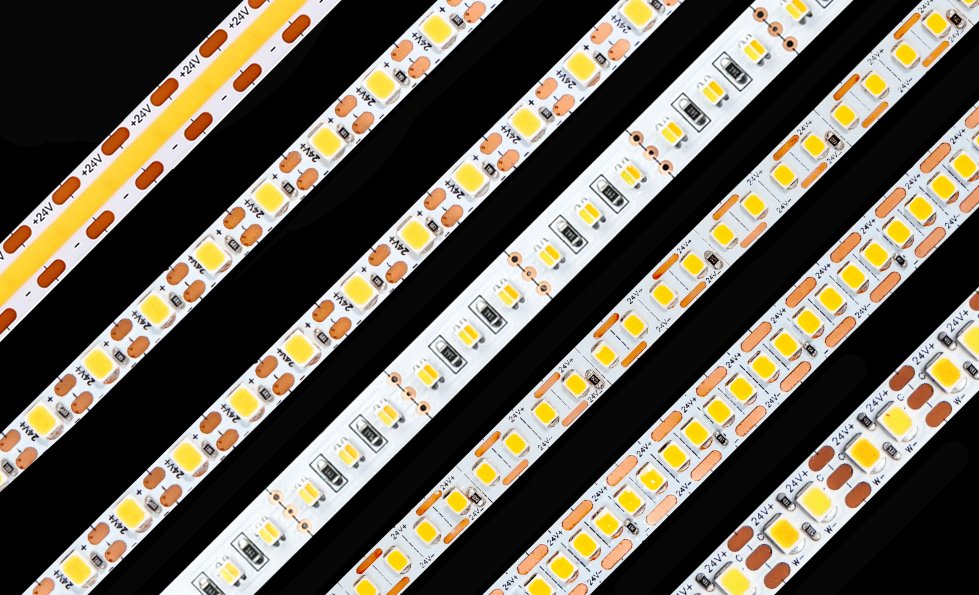
Choosing LED strip lights should be simple. But once you start seeing terms like 12V, 24V, COB, RGBW, IP65, CRI90, power injection, and neon flex, it gets confusing fast.
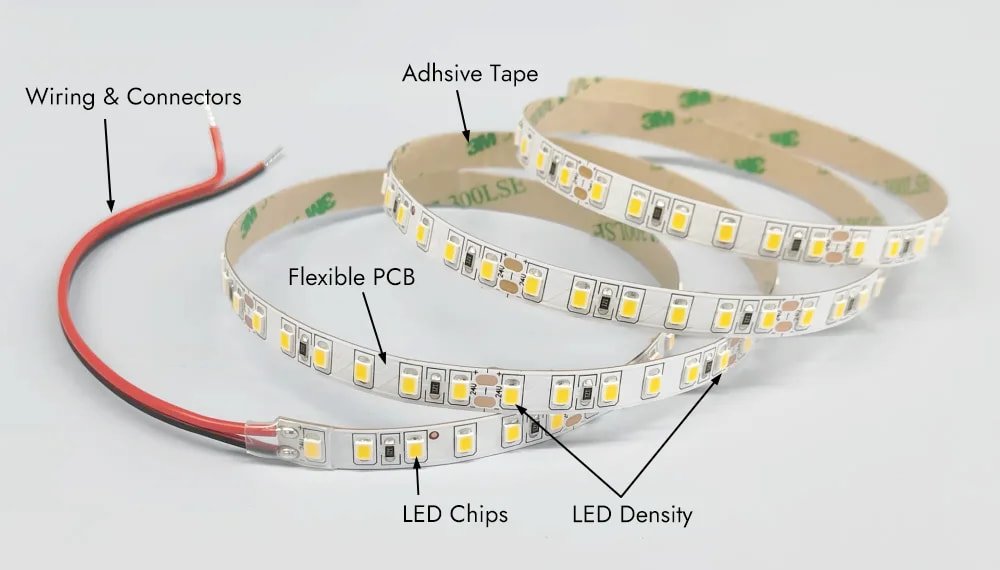
The easiest way to choose the right LED strip is not to start with the product. Start with the project.
Ask these questions in order:
- Where will the strip be used?
- How will it be installed?
- What color of light do you need?
- What lighting effect do you want?
- How long is the run?
- What voltage makes sense?
- What IP rating is needed?
- What power supply should match it?
That is the right way to buy LED strips without guessing. It also matches the buying path in your uploaded LED strip selection guide.
If you want to compare product types while reading, you can also browse our LED Strip Lights collection and related LED neon flex solutions for reference.
Table of Contents
- Step 1: Start with the scene
- Step 2: Choose the installation method
- Step 3: Choose the light color
- Step 4: Choose the lighting effect
- Step 5: Confirm the total length
- Step 6: Choose the right voltage
- Step 7: Choose the right IP rating
- Step 8: Match the power supply correctly
- Quick recommendations by application
- Common mistakes to avoid
- Final checklist before you order
Step 1: Start with the scene
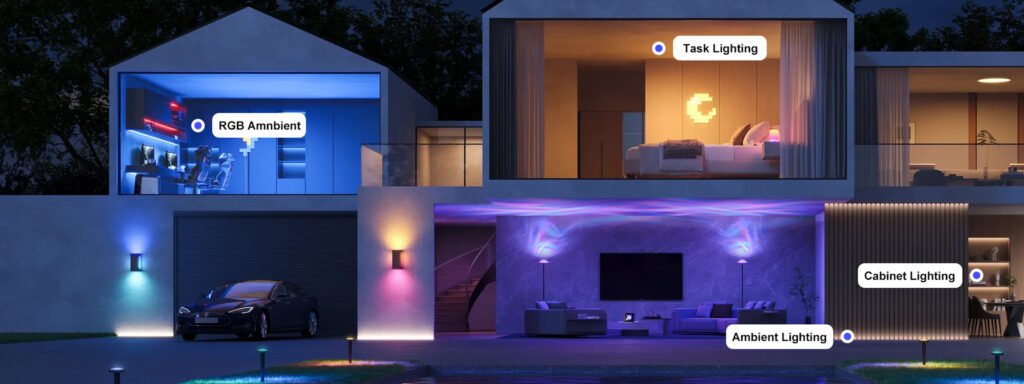
This is the first filter. If you get this wrong, the rest usually goes wrong too.
Indoor
Use this path for:
- living rooms
- bedrooms
- kitchens
- offices
- shelves
- wardrobes
- ceiling coves
Indoor projects are usually easier. You mainly need to think about appearance, brightness, color, and whether the space is dry or humid. That is also how the uploaded guide handles indoor projects.
Outdoor
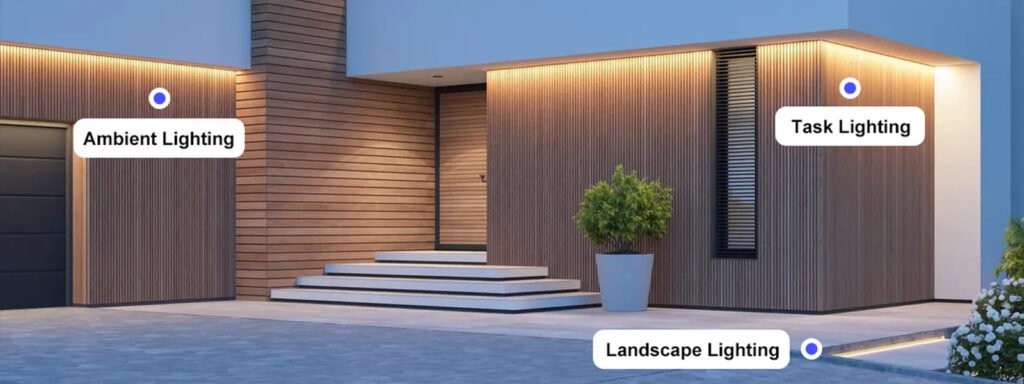
Use this path for:
- building outlines
- patios
- pathways
- gardens
- facades
- steps
- landscape edges
Outdoor projects should start with weather exposure, not just looks. Water, humidity, UV, and temperature swings matter much more outside.
Special applications
Use this path for:
- swimming pools
- marine projects
- tunnels
- mines
- industrial areas
- corrosive environments
These are not standard catalog jobs. They usually need custom review for materials, sealing, cabling, and safety. Your uploaded guide also separates these into a custom-solution path.
Simple rule:
Indoor = easier selection
Outdoor = protection first
Special = project-based solution
Step 2: Choose the installation method
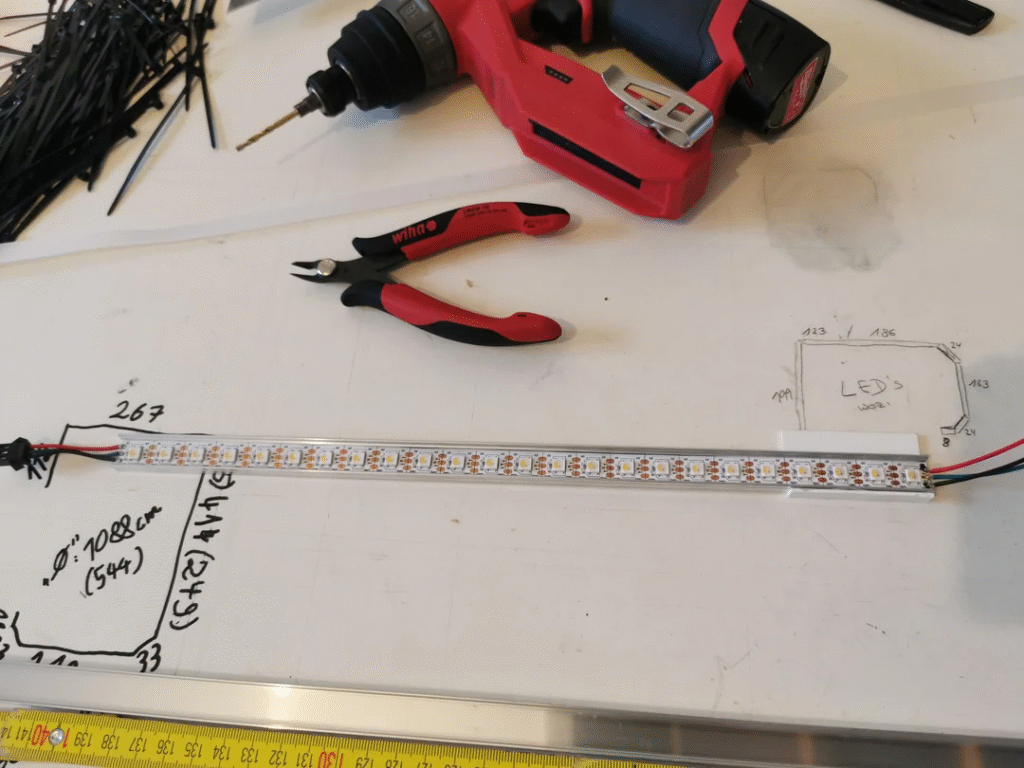
Once the scene is clear, decide how the strip will be installed.
1. Direct stick-on
This is the simplest and cheapest option.
Best for:
- hidden areas
- quick installations
- budget projects
- short indoor runs
- Get dust
Good:
- easy to install
- lower cost
Watch out for:
- weaker heat dissipation
- adhesive failure on dusty, oily, or hot surfaces
- visible LED dots if exposed
2. Aluminum profile
This is the best choice for many architectural and furniture projects.
Best for:
- under-cabinet lighting
- cove lighting
- shelves
- wardrobes
- stairs
- recessed linear details
Why it works:
- cleaner finish
- better strip protection
- better heat dissipation
- softer light with a diffuser
If you need a more finished look, this is usually the safer option. You can pair this section with your internal links to aluminum-profile-related products on xmartlightings.com.
3. Neon flex
Choose neon when you want a continuous line of light instead of visible LED dots.
Best for:
- building outlines
- decorative curves
- signage
- premium visible applications
For many outdoor visible-line projects, neon is often the better form because it gives a cleaner look and stronger protection. Your uploaded guide makes the same recommendation for many outdoor applications.
If you use aluminum profile, check the size
Do not skip this.
The strip must fit the inner width of the profile. Your uploaded guide correctly asks for the profile size before finalizing the strip choice.
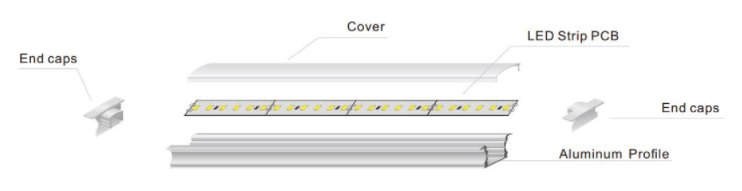
Typical strip PCB widths:
- 5mm
- 8mm
- 10mm
- 12mm
If you choose profile-based installation, link this section internally to your profile-compatible strip pages on xmartlightings.com.
If you use neon, check the bending direction and size
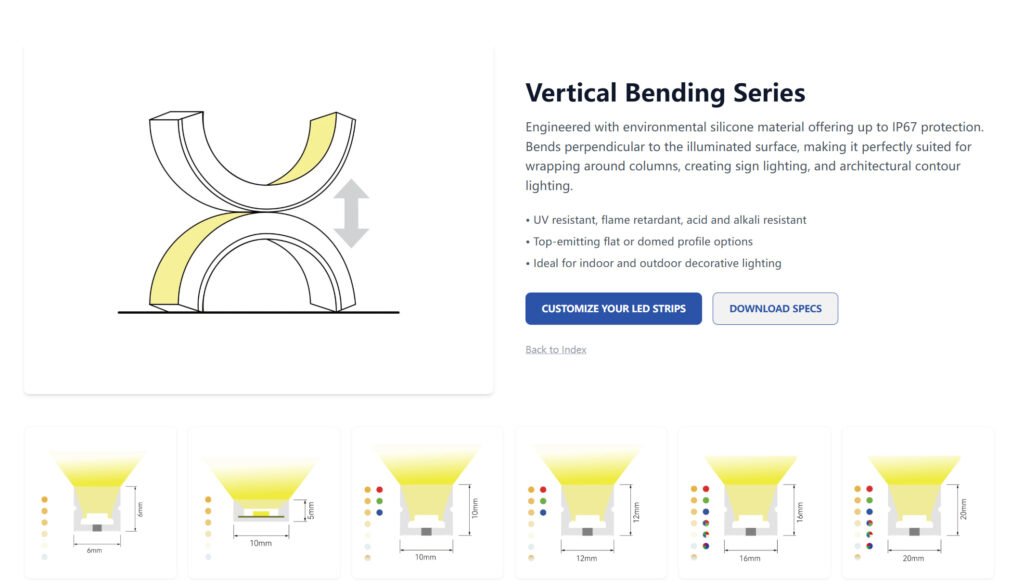
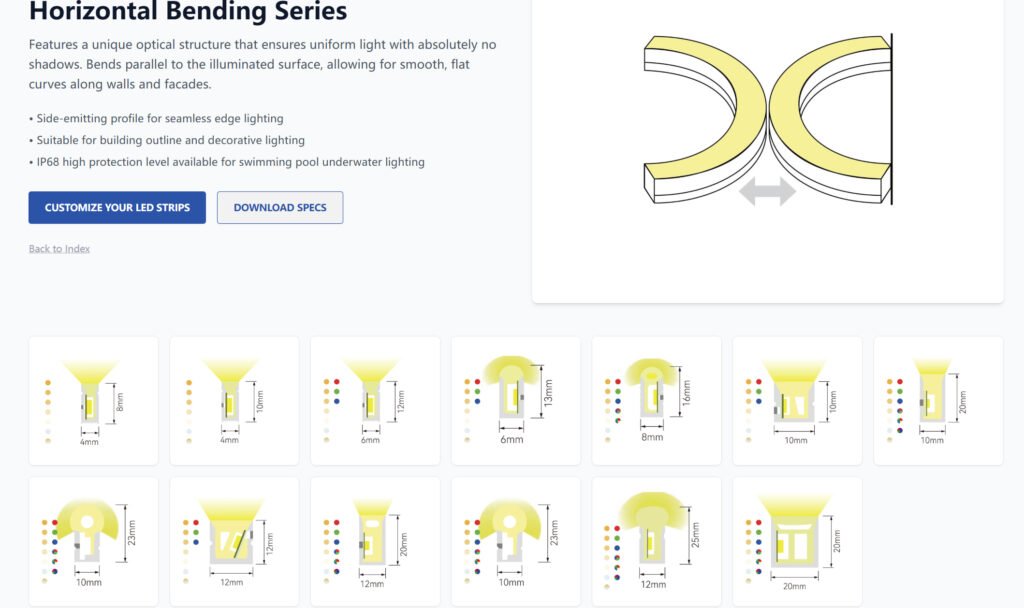
For neon flex, confirm:
- size
- top bend or side bend
- indoor or outdoor use
- single color, tunable white, RGB, RGBW, or pixel
Top bend and side bend are not interchangeable. That matters a lot for signage and curved details.
Step 3: Choose the light color
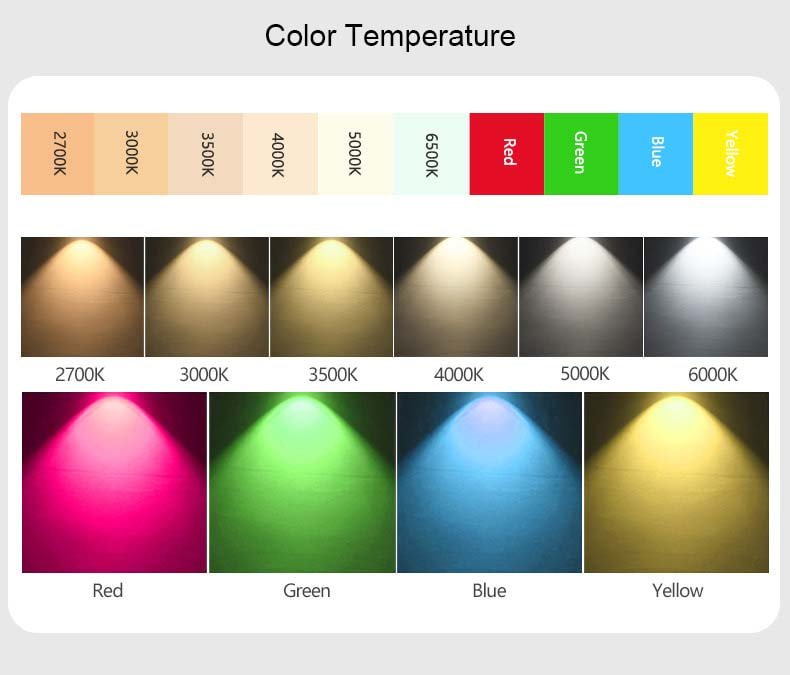
Now decide what kind of light you actually need.
Single color white
Best for:
- kitchens
- cabinets
- shelves
- offices
- coves
- general architectural lighting
This is the simplest and most stable choice. Your uploaded guide also treats white light as the easiest option for beginners.
Tunable white
This lets you switch between warm white and cool white.
Best for:
- homes
- hospitality
- projects that need different moods during the day
RGB
Choose RGB when the goal is color atmosphere, not daily white lighting.
Best for:
- bars
- gaming rooms
- decorative areas
- mood lighting
RGBW
Choose RGBW when you want both color effects and a better white channel.
Best for:
- premium residential projects
- restaurants
- hospitality
- mixed-use decorative spaces
Pixel / addressable
Choose this for dynamic effects like chasing, animation, and programmable scenes.
Best for:
- gaming
- media walls
- event lighting
- facade effects
For beginners, pixel strips are usually not the first option unless the project clearly needs motion effects.
For product browsing, this section is a good place to add internal links to your single color LED strips, RGB LED strips, RGBW LED strips, and digital strip categories.
Step 4: Choose the lighting effect
Do not just ask “What strip do I need?”
Ask “What job should the light do?”
Main lighting or task lighting
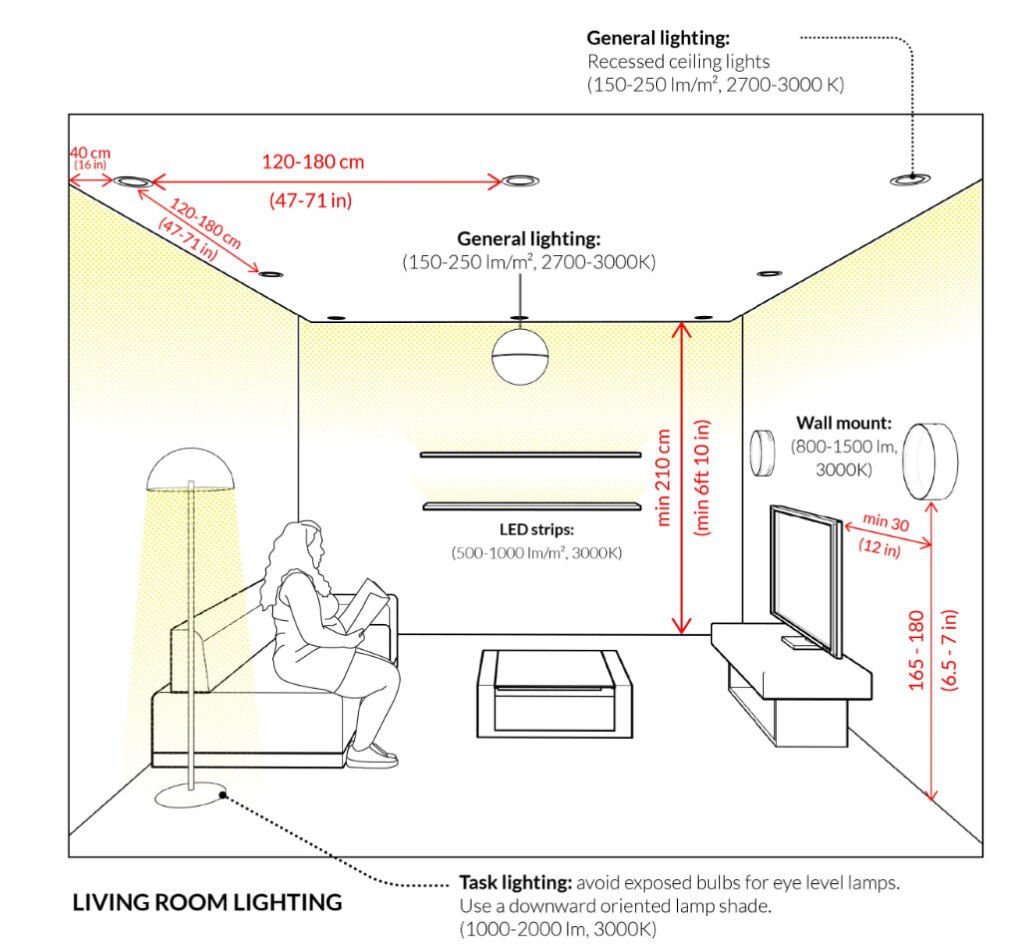
You need real usable light.
Examples:
- kitchen counters
- worktops
- reading corners
- display shelves
- mirrors
For this kind of project, focus on:
- enough brightness
- good diffusion
- high CRI
- stable power supply
- proper profile or installation method
Ambient lighting
This is the most common option.
Examples:
- ceiling coves
- cabinet toe-kicks
- wall washes
- shelf lighting
- background lines
Your uploaded guide describes this as the safe middle-ground choice, and that is accurate.
Decorative lighting
This is more about mood than usable brightness.
Examples:
- TV backlighting
- bar shelves
- bedroom accents
- hospitality mood lighting
Dynamic RGB or pixel effects
Use this when you want movement, animation, or programmable scenes.
Examples:
- gaming setups
- event spaces
- entertainment walls
- eye-catching facade effects
Step 5: Confirm the total length
Length affects more than people think.
It affects:
- voltage choice
- voltage drop
- power feed points
- power supply size
- wiring method
That is why your uploaded guide asks for total length before recommending voltage.
A simple way to think about it
- Short runs are easier
- Long runs need more planning
- The longer the run, the more voltage drop matters
This is why many projects move from 12V to 24V or even higher voltage when the run gets longer.
Step 6: Choose the right voltage
Do not choose voltage first. Choose it after you know the application and total length.
12V LED strips
Best for:
- short runs
- compact furniture lighting
- projects that need shorter cutting intervals
- some low-voltage or battery-based applications
24V LED strips
Best for:
- most residential and commercial strip projects
- cove lighting
- cabinet lighting
- shelf lighting
- longer runs than 12V can handle comfortably
For the same power, a 24V system draws less current than a 12V system, which helps reduce voltage drop and makes longer runs easier to manage.
36V / 48V LED strips
Best for:
- longer runs
- fewer feed points
- cleaner planning on large installations
This also matches the selection logic in your uploaded guide, which recommends 24V for many standard jobs and higher voltage for longer runs.
High-voltage AC strips
These can work for very long runs, but they are not the default choice for beginners. Installation, compliance, service, and safety are different.
Simple rule:
Short run = 12V can work
Most projects = 24V is the safer default
Long run = consider 24V, 36V, or 48V
Step 7: Choose the right IP rating
This is where many buyers either overspend or under-protect.
IP ratings are defined under IEC 60529 and classify protection against solids and liquids.
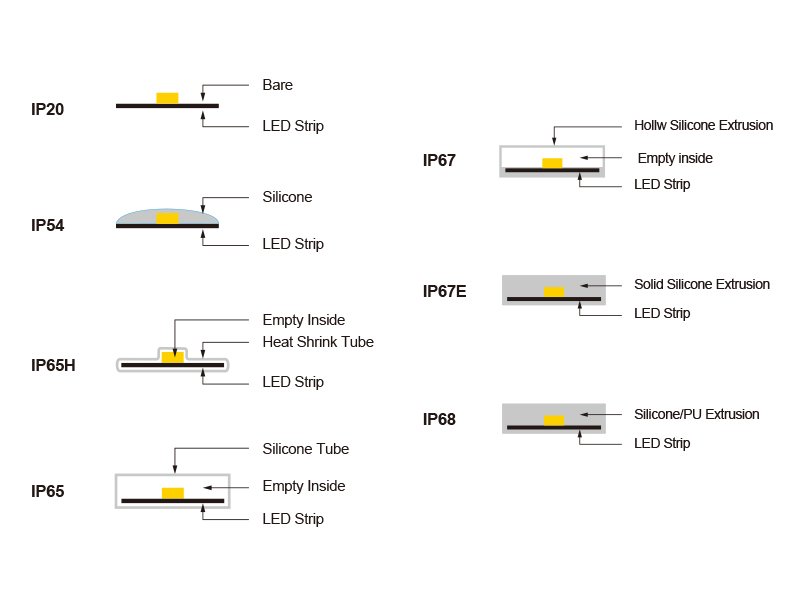
IP20
Use for:
- living rooms
- bedrooms
- offices
- dry cabinets
- dry ceiling details
IP20 is for dry indoor areas only.
IP54 / IP65
Use for:
- kitchens
- bathrooms outside direct water spray
- laundry areas
- humid indoor spaces
- some protected outdoor locations
IP67
Use for:
- direct rain exposure
- facades
- gardens
- outdoor architectural lines
IP68
Use for:
- pools
- fountains
- underwater use
- long-term submersion
Your uploaded guide follows the same logic: IP20 for dry indoor use, IP54 or IP65 for humid interiors, IP67 for direct weather exposure, and IP68 for submerged applications.
Important:
Do not buy based on the word “waterproof.”
Always check the exact IP rating.
For special-use underwater projects, it is also important to match the strip voltage and use the correct sealed connectors and sealing methods.
Step 8: Match the power supply correctly
This step is simple, but people still get it wrong.
Formula
Total power = strip wattage per meter × total length
Example:
- 10W/m × 5m = 50W total
- 14.4W/m × 10m = 144W total
Then choose a power supply with spare capacity.
A common practical rule is to avoid running the driver at full load all the time and leave some headroom. Power-supply guidance for LED systems commonly uses constant-voltage drivers for LED strips and recommends matching the strip voltage to the driver voltage.
Easy rule
Add at least 20% headroom.
Examples:
- 50W load → choose 60W or 75W
- 72W load → choose 100W
- 144W load → choose 180W or split the load properly
This matches the sizing logic you gave: if the strip is 10W/m and the total length is 5m, the total load is 50W, so the power supply should be larger than 50W.
Two things must match
- Strip voltage and power-supply voltage
- Total wattage and driver capacity
If the strip is 24V, use a 24V power supply.
If the strip is 12V, use a 12V power supply.
This is a good place to add an internal link to your power-supply or accessories pages on xmartlightings.com.
Quick recommendations by application
Kitchen cabinet lighting
A good starting point:
- 24V
- white or COB strip
- CRI 90
- aluminum profile
- IP20 for dry areas, higher if close to moisture
Ceiling cove lighting
A good starting point:
- 24V
- white or tunable white
- profile or concealed installation
- medium brightness
- CRI 90 recommended
TV backlighting
A good starting point:
- RGB or RGBW
- lower brightness
- short run
- direct stick-on or slim profile
Shelf or display lighting
A good starting point:
- high CRI white strip
- profile
- COB if you want a cleaner dot-free effect
COB strips are popular when you want a smoother, more continuous line of light with fewer visible hotspots.
Outdoor building outline
A good starting point:
- neon flex or sealed outdoor strip
- IP67 or higher
- 24V or higher depending on length
- plan feed points before ordering
Pool or underwater lighting
A good starting point:
- IP68 only
- project-based review
- correct connectors, sealing, and power layout
Common mistakes to avoid
- Choosing by photo instead of application
- Buying the strip before checking installation method
- Ignoring the aluminum channel inner width
- Choosing RGB when what you really need is white task lighting
- Using 12V on runs that should be 24V or higher
- Treating all “waterproof” strips as the same
- Choosing a power supply with no spare capacity
- Using exposed strip where neon or profile would look much better
Final checklist before you order
Before sending an inquiry, confirm these 8 points:
- Application: indoor, outdoor, or special
- Installation method: stick-on, profile, or neon
- If profile: inner width
- If neon: size and bend direction
- Light color: white, tunable white, RGB, RGBW, or pixel
- Lighting effect: task, ambient, decorative, or dynamic
- Total length
- Voltage, IP rating, and power supply
This follows the same buyer path shown in your uploaded guide and keeps the selection process simple for beginners.
Need help choosing the right LED strip?
If you already know your project details, send us:
- application
- installation method
- total length
- preferred light color
- lighting purpose
- indoor or outdoor environment
We can help you match the right strip, voltage, IP rating, and power supply for your project.
Browse more solutions on Xmart Lightings or contact us for a quicker recommendation.