LED Strip Lights Without Plug: Battery & USB Power Solutions Guide
LED strip lights have revolutionized home lighting with their flexibility and energy efficiency, but what happens when you need illumination in areas without convenient electrical outlets? Whether you’re camping, decorating a vehicle, or simply want to avoid complex wiring, there are multiple innovative solutions for powering LED strips without traditional wall plugs. This comprehensive guide explores battery-powered options, USB connections, and alternative power sources that make LED tape installations possible anywhere.
Video Guide: Learn how to power your LED strips using USB connections with step-up converters for versatile installations.
What is LED Strip Light?
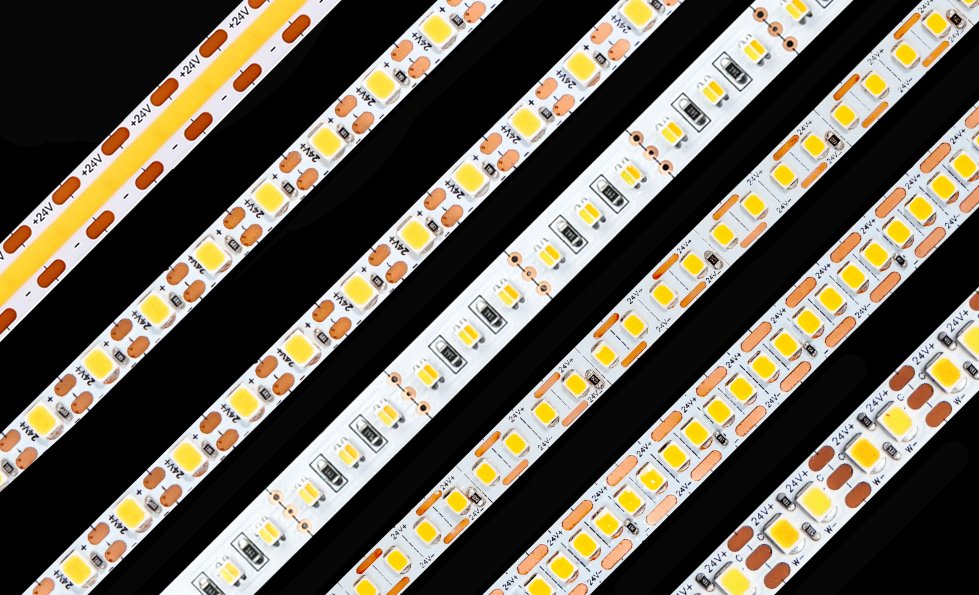
LED strip lights, also known as LED tape, are flexible circuit boards populated with surface-mounted light-emitting diodes (SMDs) that provide continuous illumination. These versatile lighting solutions typically come in 5-meter rolls with adhesive backing, operating on 12V or 24V DC power, making them ideal for accent lighting, under-cabinet installations, and decorative applications where traditional fixtures won’t fit.
Video Guide: Discover the basics of LED strip installation without complex electrical work or soldering requirements.
Core Components and Construction
LED strip lights consist of several essential elements working in harmony. The flexible PCB (Printed Circuit Board) serves as the foundation, hosting SMD LEDs spaced at regular intervals. Each strip includes resistors for current regulation, cutting marks every 3-6 LEDs for customization, and copper pads for electrical connections.
Based on our internal data and market analysis, here is the breakdown:
| Component | Function | Typical Specification |
|---|---|---|
| SMD LEDs | Light emission | 2835, 5050, or 5630 chips |
| PCB Width | Structural base | 8mm, 10mm, or 12mm |
| Adhesive | Mounting | 3M VHB tape |
| Operating Voltage | Power requirement | 12V or 24V DC |
| LED Density | Brightness level | 30-120 LEDs per meter |
Xmart Lighting Pro Tip: When selecting LED strips for battery operation, choose 12V versions over 24V models. They draw less current at the same brightness level, extending battery life by approximately 40% in portable applications.
How Does LED Strip Light Work?
LED strips function by converting direct current (DC) electricity into light through semiconductor technology. When powered, electrons flow through the LED chips, releasing photons as they move between energy levels. The strip’s integrated resistors regulate current to each LED cluster, ensuring uniform brightness across the entire length while the flexible PCB distributes power evenly.
Video Guide: Understanding the electrical connections and working principles of LED strip lights without traditional connectors.
Electrical Flow and Light Generation
The operation begins when DC power enters through the positive and negative terminals. Current flows through the copper traces on the PCB, reaching each LED module in parallel configuration. This parallel wiring ensures that if one LED fails, others continue functioning normally.
Key operational parameters include:
- Input voltage tolerance: ±10% of rated voltage
- Current draw: 0.24W to 1.2W per LED depending on type
- Heat dissipation: Through PCB substrate and aluminum channels
- Color temperature stability: Maintained through phosphor coatings
- Dimming capability: PWM (Pulse Width Modulation) compatible
Xmart Lighting Pro Tip: For optimal performance without a plug, maintain voltage within 5% of the strip’s rating. A 12V strip running on 11V batteries will produce noticeably dimmer output, while 13V can reduce LED lifespan by up to 50%.
Can you get LED strip lights without a plug?
Yes, LED strip lights are readily available without plugs, as most strips are sold as raw components requiring separate power supplies. Battery-powered LED strips, USB-powered options, and solar-powered variants eliminate the need for wall outlets entirely. These plug-free solutions use alternative power sources like AA batteries, power banks, or photovoltaic cells for complete portability.
Video Guide: Explore methods for connecting and powering LED strips without traditional plug connectors.
Alternative Power Solutions Available
The market offers numerous plug-free LED strip configurations designed for specific applications. Battery-powered strips integrate compact battery holders directly into the strip assembly, while others feature detachable battery packs for easy replacement.
Based on our internal data and market analysis, here is the breakdown:
| Power Source | Runtime | Best Application | Voltage Output |
|---|---|---|---|
| AA Batteries (8x) | 4-6 hours | Temporary displays | 12V DC |
| 18650 Li-ion Pack | 8-12 hours | Camping/RV lighting | 12V/24V DC |
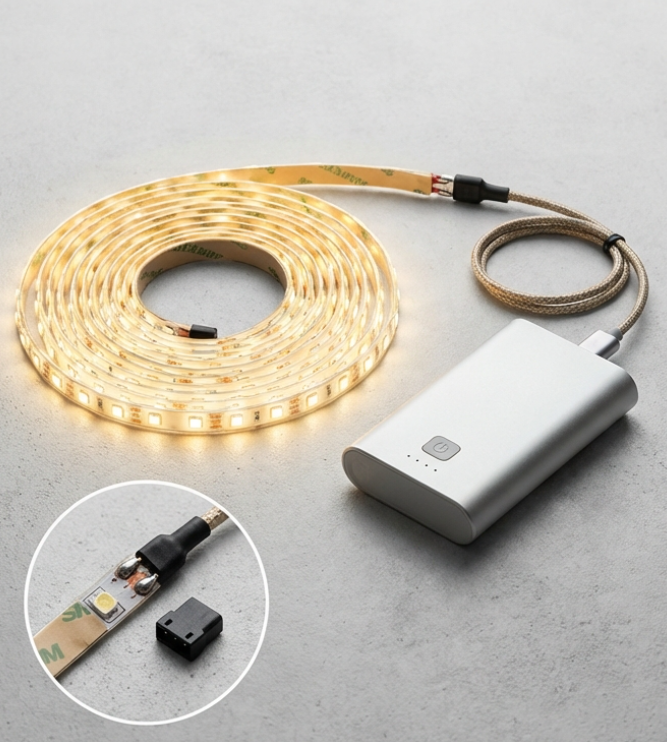
| USB Power Bank | 6-10 hours | Desk/monitor lighting | 5V DC |
| Solar Panel + Battery | Unlimited (daylight) | Outdoor installations | 12V DC |
| Coin Cell Batteries | 2-3 hours | Costume lighting | 3V DC |
Xmart Lighting Pro Tip: When purchasing strips without plugs, always verify the voltage requirements match your intended power source. Many sellers offer 5V USB strips specifically designed for power bank operation, eliminating the need for voltage converters.
How to power LED strips without an outlet?
Battery packs offer the most versatile solution for powering LED strips without outlets, using 8 AA batteries in series to create 12V DC power. USB power banks provide another convenient option through 5V-to-12V step-up converters, while rechargeable lithium battery packs deliver extended runtime. Solar panels with charge controllers enable completely off-grid installations for outdoor applications.
Video Guide: Master the techniques for powering LED strips using battery solutions without any electrical outlets.
Implementation Methods and Connections
Creating a battery-powered LED strip system requires careful component selection and proper wiring techniques. The process involves matching voltage requirements, calculating power consumption, and ensuring safe connections.
Essential steps for battery power implementation:
- Calculate total wattage (Length × Watts per meter)
- Determine battery capacity needed (Wattage × Hours ÷ Battery efficiency)
- Select appropriate battery holder or pack
- Connect positive to positive, negative to negative terminals
- Add an inline switch for convenient control
- Install fuse protection (recommended 3A for 12V systems)
- Test voltage with multimeter before connection
- Secure all connections with heat shrink tubing
Xmart Lighting Pro Tip: For events lasting over 4 hours, invest in a 12V lithium battery pack with at least 5000mAh capacity. These provide stable voltage throughout discharge, unlike alkaline batteries which dim gradually as they deplete.
Can LED lights work without being plugged in?
LED lights absolutely work without being plugged in when powered by alternative DC sources like batteries, capacitors, or solar cells. Since LEDs operate on direct current rather than alternating current, they’re perfectly suited for portable power sources. Battery-operated LED strips can run continuously for 4-12 hours depending on capacity, brightness settings, and strip length.
Video Guide: Learn professional techniques for joining and powering LED strips independently of wall outlets.
Power Duration and Efficiency Factors
The runtime of unplugged LED strips depends on multiple variables that affect overall system efficiency. Understanding these factors helps optimize portable lighting setups for maximum duration.
Based on our internal data and market analysis, here is the breakdown:
| Battery Type | Capacity | LED Strip Length | Approximate Runtime |
|---|---|---|---|
| 8x AA Alkaline | 2500mAh | 1 meter (7.2W) | 4-5 hours |
| 4x 18650 Li-ion | 10000mAh | 2 meters (14.4W) | 8-10 hours |
| 12V Lead Acid | 7Ah | 5 meters (36W) | 2-3 hours |
| USB Power Bank | 20000mAh | 1 meter (5W USB) | 15-20 hours |
| 9V Battery | 500mAh | 30cm (2W) | 2-3 hours |
Xmart Lighting Pro Tip: Double your runtime by using a PWM dimmer set to 50% brightness – the human eye barely notices the difference, but power consumption drops proportionally, extending battery life significantly.
Key Features & Comparison

LED strip lights designed for unplugged operation incorporate specialized features that distinguish them from standard plug-in models. These adaptations optimize power efficiency and enhance portability for diverse applications.
Based on our internal data and market analysis, here is the breakdown:
| Feature | Plug-In LED Strips | Battery-Powered LED Strips | USB-Powered LED Strips |
|---|---|---|---|
| Voltage Range | 110-240V AC (with adapter) | 3V-24V DC | 5V DC |
| Installation Complexity | Requires outlet access | Completely portable | Needs USB port/bank |
| Runtime | Unlimited | 2-12 hours | 6-20 hours |
| Brightness Output | 800-1200 lumens/meter | 400-800 lumens/meter | 300-500 lumens/meter |
| Initial Cost | $15-30 + adapter | $20-40 with batteries | $10-25 + power bank |
| Operating Cost | $0.50-1.00/month | $5-10/month (batteries) | $0.10/month (recharge) |
| Best Application | Permanent installations | Temporary/mobile setups | Desk/computer lighting |
| Dimming Options | Advanced (smart control) | Basic (inline dimmer) | Limited (some models) |
Xmart Lighting Pro Tip: For maximum versatility, choose strips with multiple power input options. Some premium models from Xmart Lighting feature dual connectors accepting both battery packs and USB power, allowing seamless transitions between power sources.
Cost & Buying Factors

When investing in LED strips for unplugged applications, the total system cost extends beyond the strip itself. Initial purchases should include the LED tape, appropriate power source, connectors, and control accessories.
Budget breakdown for complete wireless LED strip setup:
- Basic 5-meter LED strip: $15-25
- Battery holder (8x AA): $5-10
- Rechargeable batteries: $20-30
- Inline dimmer switch: $5-8
- Wire connectors: $3-5
- Optional solar panel kit: $30-50
- USB step-up converter: $10-15
Long-term operating costs vary significantly based on power source selection. Disposable batteries cost approximately $0.50 per hour of operation, while rechargeable solutions reduce this to under $0.05 per hour after initial investment.
Xmart Lighting Pro Tip: Calculate your cost-per-hour before choosing between disposable and rechargeable batteries. If you’ll use the lights more than 20 hours total, rechargeable batteries pay for themselves while delivering consistent brightness throughout their discharge cycle.
Conclusion

Operating LED strip lights without traditional wall plugs opens endless possibilities for creative lighting solutions in any environment. From battery packs providing hours of portable illumination to USB power banks offering convenient desk lighting, these alternative power methods make LED tape accessible anywhere. By understanding voltage requirements, calculating power consumption, and selecting appropriate battery solutions, you can create professional-quality lighting installations completely independent of electrical outlets. Whether enhancing your camping experience, decorating special events, or adding ambiance to spaces lacking convenient power access, unplugged LED strips from Xmart Lighting deliver the flexibility and reliability needed for modern lighting applications. Start your wireless LED project today and discover the freedom of truly portable illumination.