LED light strips can transform a simple mirror into an illuminated feature that enhances both functionality and aesthetics. Understanding the basics of LED strip lights and their application on mirrors is crucial for a successful DIY project. This guide will walk you through key considerations, from choosing the right type of LED strip to installation techniques, ensuring your mirror becomes a standout piece.
Video Guide: Explore how to create a vanity mirror using LED strip lights in three simple steps.
What is LED Strip Light?
LED strip lights, often called LED tape, are flexible circuit boards populated with light-emitting diodes that adhere to various surfaces for illumination. They are popular for their versatility, efficiency, and ease of installation.
Video Guide: Discover the transformation of a mirror into an LED floating mirror using strip lights.
Overview of LED Strip Lights
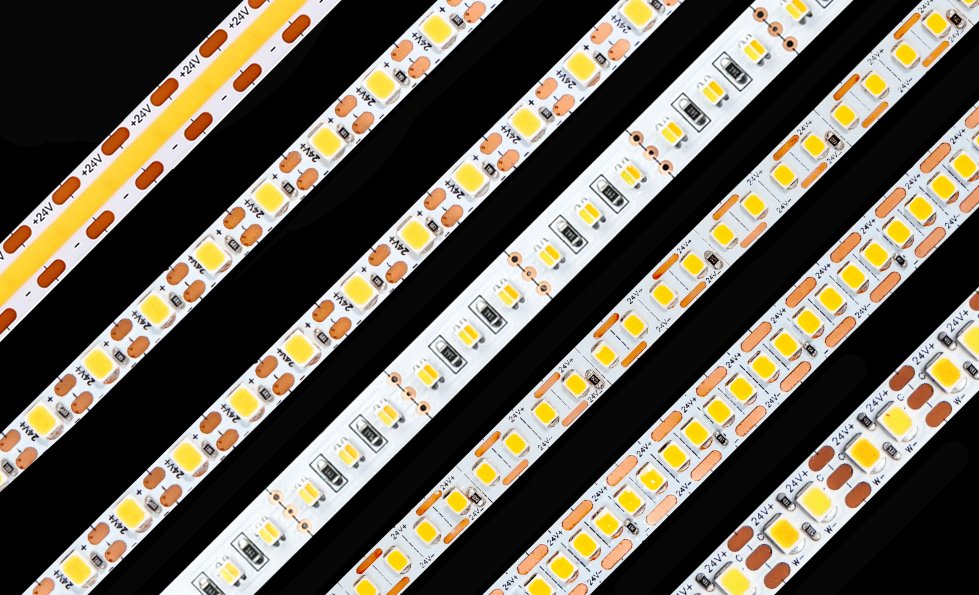
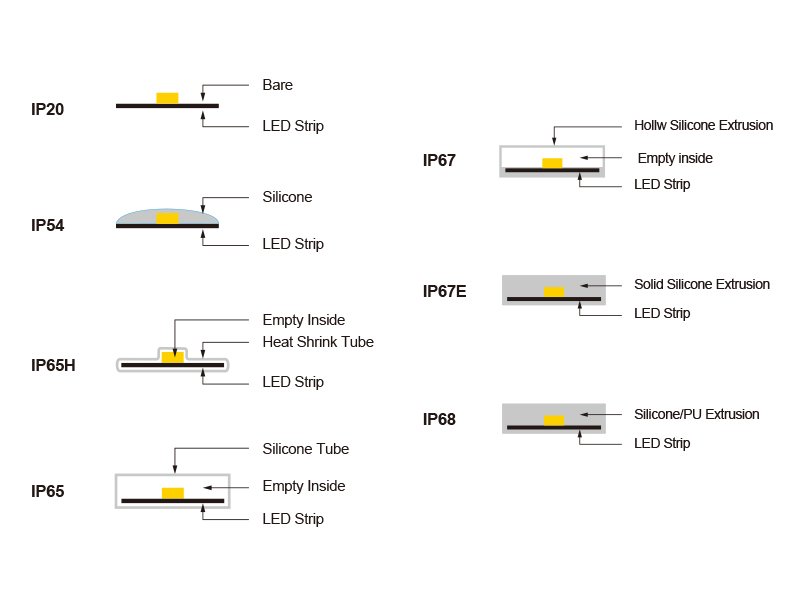
LED strip lights consist of individual LED emitters mounted on a narrow, flexible circuit board. They are typically sold in reels and can be cut to size. The strips are available in different colors, brightness levels, and waterproof ratings, making them suitable for various applications.
- Types of LED Strip Lights:
- Single Color: Available in various single hues.
- Double Color: Avaliable to change your moon from 2700 to 6500K.
- RGB: Can change colors dynamically.
- RGBW: Includes a white LED for more natural lighting.
- Common Uses:
- Home décor and accent lighting.
- Under-cabinet and closet lighting.
- Outdoor and architectural lighting.
How Does LED Strip Light Work?
LED strip lights operate by using a series of small LEDs mounted on a flexible circuit board. When powered, these LEDs emit light based on their color and intensity settings, providing versatile lighting solutions.

Working Principle of LED Strip Lights
The operation of LED strip lights is based on the electroluminescence principle, where a semiconductor emits light when an electric current passes through it. Here’s a breakdown of how they work:
- Power Supply: Converts AC to DC power suitable for the LED strip.
- Connection: Strips can be connected using soldering or connector clips.
- Control: RGB and RGBW strips use controllers for color and brightness adjustments.
How to attach LED strip lights to mirror?
To attach LED strip lights to a mirror, clean the surface, measure and cut the strips to size, adhere them using the backing adhesive, and connect them to a power source. Ensuring proper alignment and secure attachment are key to achieving a professional finish.

Installation Process for Mirror Illumination
- Preparation:
- Clean the mirror surface thoroughly.
- Measure and plan the placement of the LED strips.
- Cutting and Adhering:
- Cut the LED strip to the desired length.
- Peel off the adhesive backing and carefully apply the strip to the mirror edge.
- Wiring and Power:
- Connect the strip to a suitable power source.
- Use connectors or solder wires for a stable connection.
- Testing:
- Turn on the lights to ensure they function correctly.
- Adjust placement if necessary for optimal light distribution.
Can I add LED lights to a mirror?
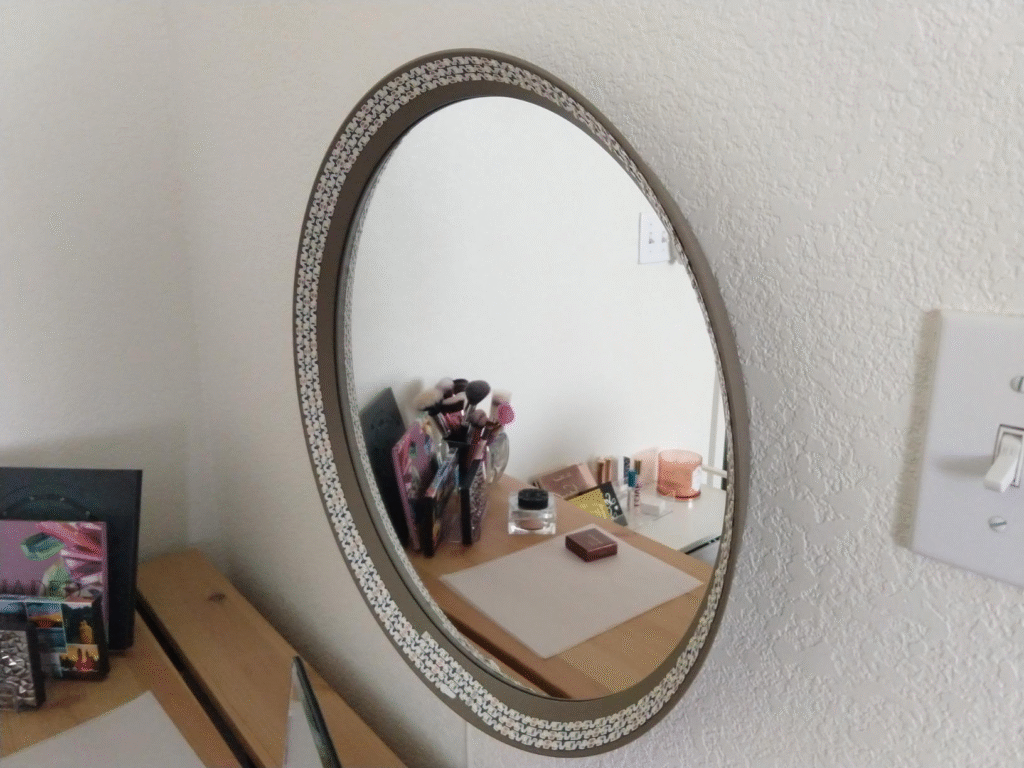
Yes, you can add LED lights to a mirror by selecting the right type of LED strip, preparing the mirror surface, and securely adhering the strips. Ensure compatibility with your power source and consider using a controller for dynamic effects.
Considerations for Adding LED Lights
Adding LED lights to a mirror involves both aesthetic and technical considerations. Here’s a list to help guide you:
- Select the Right LED Strip:
- Choose based on color preference and brightness.
- Consider waterproof variants for bathroom use.
- Surface Preparation:
- Ensure the mirror is clean and dry.
- Plan the layout for even lighting.
- Power and Control:
- Ensure the power supply matches the strip requirements.
- Use a controller for RGB strips to achieve desired effects.
How to illuminate a mirror?
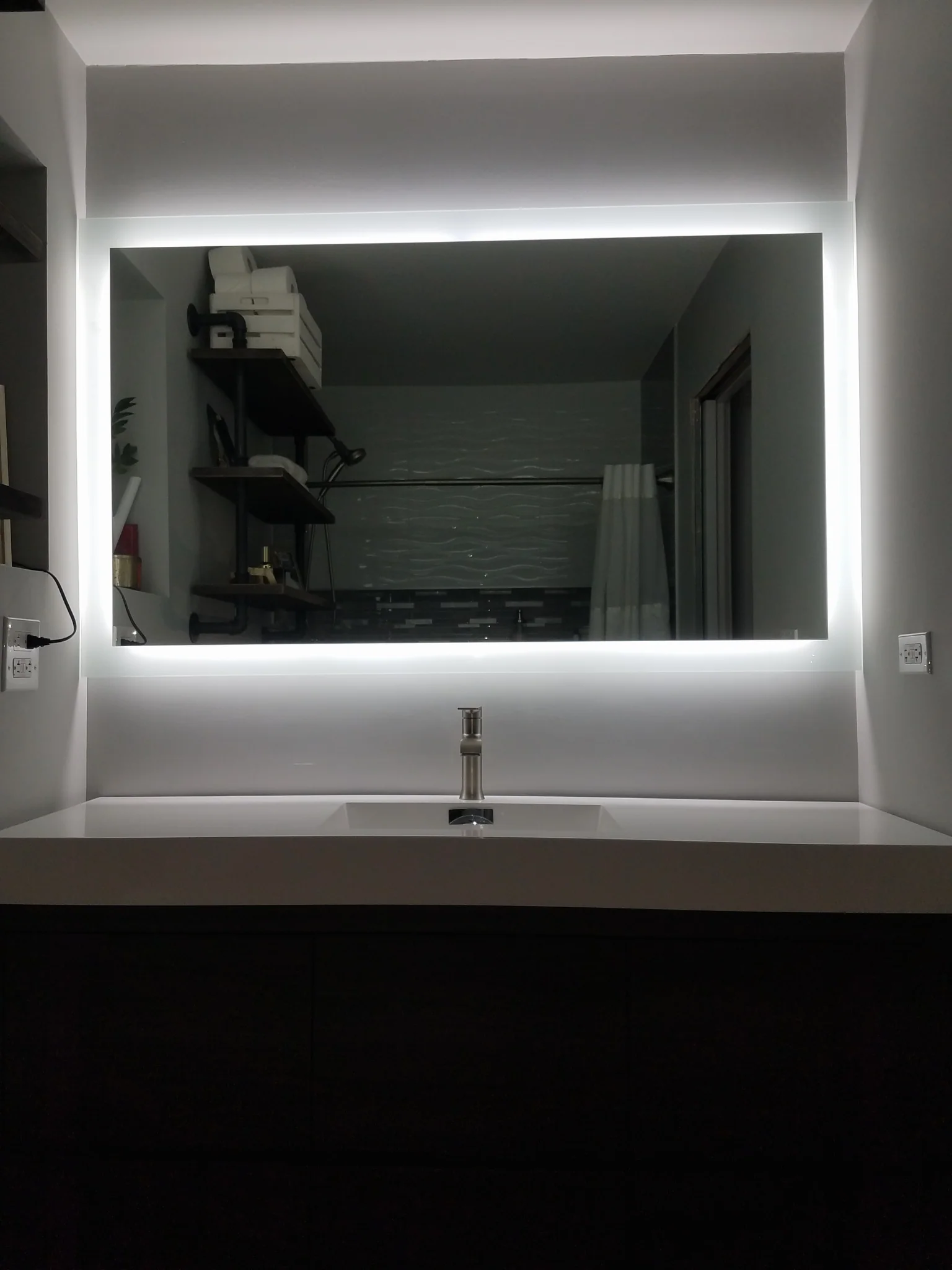
Illuminating a mirror involves installing LED strip lights around its edges or behind it. This enhances visibility and adds an ambient glow, making the mirror both functional and stylish.

Step-by-Step Mirror Illumination
- Select LED Strip:
- Choose appropriate brightness and color.
- Opt for waterproof strips for bathroom use.
- Install Lights:
- Clean and prepare the surface.
- Adhere strips along the edges or behind the mirror.
- Connect and Test:
- Connect strips to a power source.
- Test for uniform lighting and make adjustments as needed.
- Enhance with Controls:
- Use controllers for color-changing effects.
- Ensure controls are accessible and user-friendly.
Key Features & Comparison
Based on our internal data and market analysis, here is the breakdown:
| Feature | Single Color LED Strip | RGB LED Strip | RGBW LED Strip |
|---|---|---|---|
| Color Options | Single | Multiple | Multiple + White |
| Dimming Control | Yes | Yes | Yes |
| Waterproofing | Optional | Optional | Optional |
| Price Range | $1.2-$1.5/m | $2-$2.2/m | $2.4-$2.6/m |
Cost & Buying Factors
LED strip lights vary in cost depending on features such as color options, waterproofing, and control capabilities. When purchasing, consider your budget, the desired brightness, and compatibility with existing home systems.
Pricing Guide
- Budget Options:
- Single color strips: $1.2-$1.5/m.
- Basic RGB strips: $2-$2.2.
- Premium Choices:
- RGBW strips with controllers: $2.4-$2.6.
- High-density LED strips: Higher brightness, higher cost.
- Additional Costs:
- Controllers and power supplies.
- Installation accessories like connectors and clips.
Conclusion
Transforming a mirror with DIY LED strip lights is a rewarding project that merges functionality with style. By understanding the types of LED strips and their installation processes, you can create illuminated mirrors that enhance your living spaces. Explore options and start your project with confidence.
Xmart Lighting (LED Strip Manufacturer)Tip: When selecting LED strips, consider the lighting effect you want to achieve. For a natural look, RGBW strips offer the flexibility of color with a dedicated white LED, providing better illumination for mirrors.