DLC 6.0 Standard and Premium LED panels are both designed for commercial lighting projects, but they are not identical product configurations.
For the panel configuration discussed in this guide:
- DLC 6.0 Standard: approximately 120 lm/W
- DLC 6.0 Premium: approximately 135 lm/W
- Premium advantage: 15 lm/W higher efficacy
- Premium configuration: includes sensor-based control
- Premium positioning: lower energy use, deeper control and stronger long-term performance
The 135 lm/W figure is a product configuration target, not a universal efficacy number for every DLC 6.0 Premium panel. DLC thresholds vary by product category and primary use designation.
Quick Comparison
| Feature | DLC 6.0 Standard | DLC 6.0 Premium |
|---|---|---|
| Typical efficacy in this product comparison | 120 lm/W | 135 lm/W |
| Efficacy difference | — | +15 lm/W |
| Sensor | Not included in the standard configuration | Included in the Premium configuration |
| Continuous dimming | Up to 20% or less of maximum output | Up to 10% or less |
| LED lumen maintenance | Standard DLC requirement | L90 of at least 36,000 hours |
| Driver life | Standard requirement | At least 50,000 hours |
| Best fit | Cost-conscious commercial projects | Long-hour, sensor-controlled projects |
What Does the 15 lm/W Difference Mean?
If two panels provide the same light output, the higher-efficacy Premium version can use less power.
For example, to produce 5,000 lumens:
- A 120 lm/W Standard panel requires approximately 41.7W.
- A 135 lm/W Premium panel requires approximately 37.0W.
That is a difference of about 4.7W per panel under the same output condition.
The actual project saving depends on operating hours, electricity rates, dimming behavior and the number of installed fixtures. The Premium panel becomes more attractive when the building operates for long hours or uses sensors to reduce unnecessary lighting.
What Does the Sensor Add?
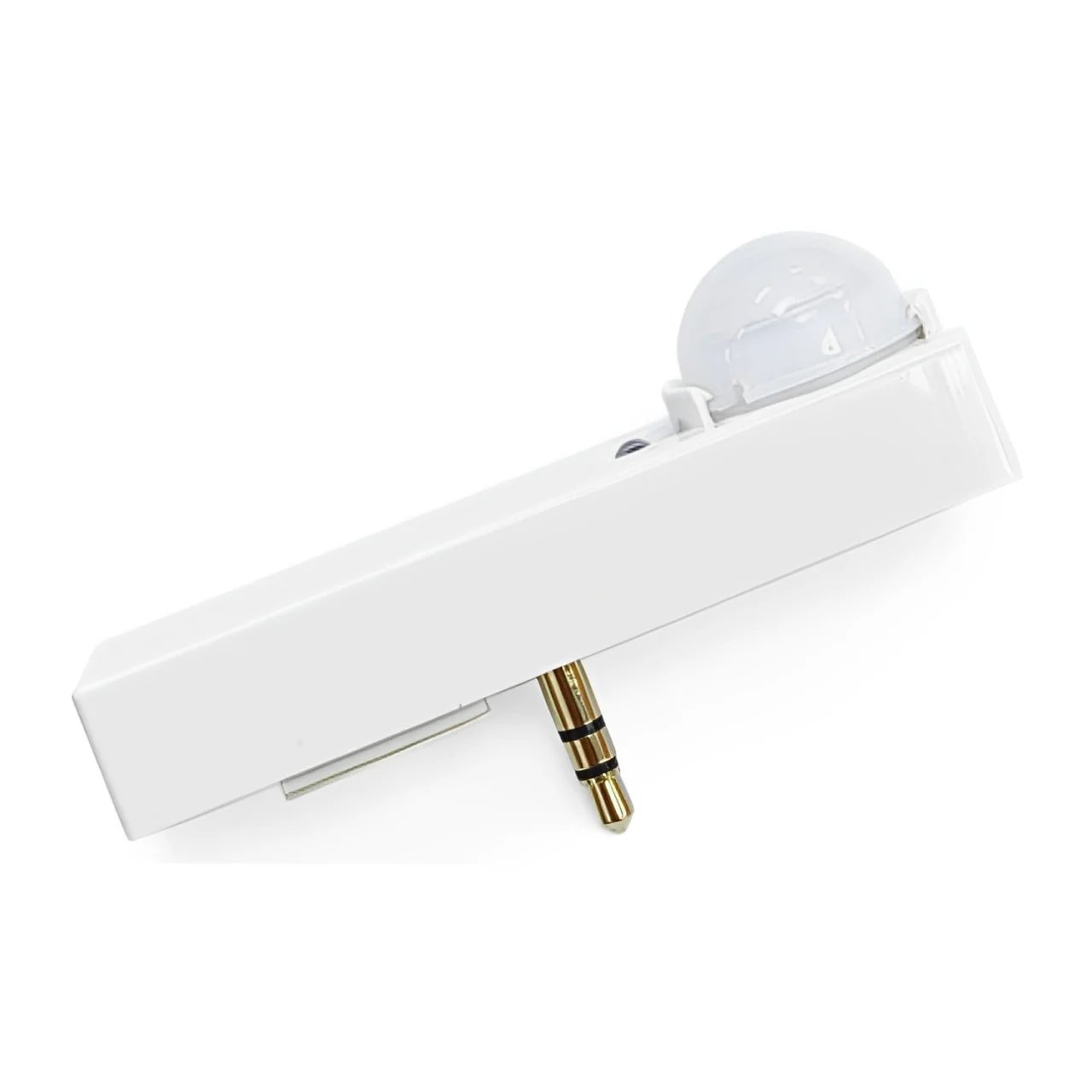
The Premium configuration includes a sensor for automatic lighting control. Depending on the selected system, the sensor may support functions such as:
- Occupancy detection
- Daylight response
- Automatic dimming
- Bi-level control
- Reduced output in unoccupied areas
The sensor is important because a more efficient panel does not automatically reduce energy use if it runs at full output all day.
This distinction matters:
135 lm/W improves the fixture’s electrical efficiency. The sensor improves how the fixture is operated.
The best result often comes from combining both.
The sensor should still be checked against the project’s control system. Confirm:
- Sensor type
- Detection range
- Dimming method
- Standby power
- Commissioning requirements
- Compatibility with 0–10V or networked controls
- Whether the sensor is integrated or supplied as an accessory
What Does DLC 6.0 Standard Mean?
DLC 6.0 Standard is the baseline qualification for eligible commercial LED products.
The applicable requirements may include:
- Light output
- Efficacy
- Color quality
- Power factor
- Total harmonic distortion
- Distribution
- Dimming and control reporting
- Lifetime and warranty information
Standard is often suitable for:
- Offices with basic lighting controls
- Retail spaces
- Schools with fixed operating schedules
- Fluorescent troffer replacements
- Projects where initial purchase cost is the main concern
A Standard-listed panel is not automatically inferior. It may simply be designed for a simpler project or a lower-cost product tier.
What Does DLC 6.0 Premium Add?
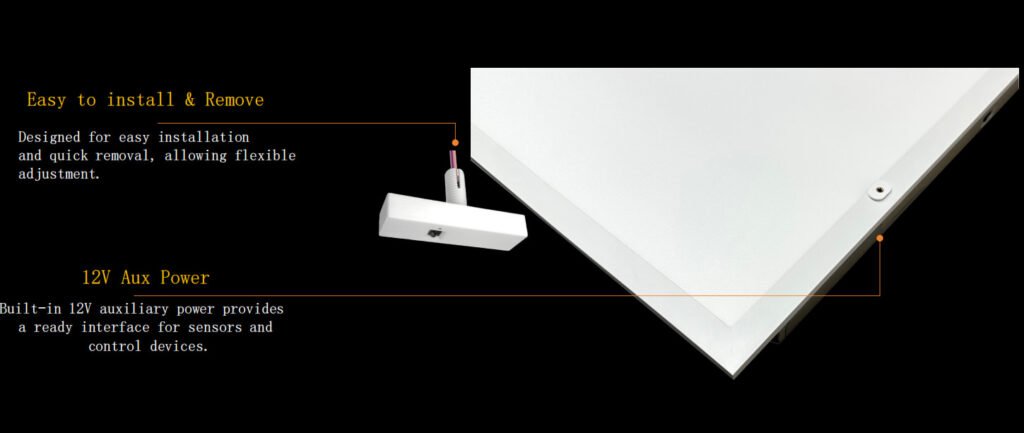
Premium applies stricter requirements to selected performance areas.
According to the DLC’s current SSL V6.0 summary, Premium includes:
- Continuous dimming to 10% or less of maximum output
- L90 LED lumen maintenance of at least 36,000 hours
- Driver life of at least 50,000 hours
- A higher applicable efficacy threshold
For the product comparison in this article, the Premium version is specified at approximately 135 lm/W instead of 120 lm/W and includes sensor-based control.
Premium is most useful when the project needs:
- Long daily operating hours
- Occupancy or daylight sensing
- Lower connected load
- Deeper dimming
- Reduced maintenance risk
- Stronger lifecycle performance
Is Premium Always the Better Choice?
Not always.
Standard may be the better choice when:
- The project does not need sensors
- Lighting operates for limited hours
- The control system is simple
- The budget is highly price-sensitive
- The local rebate does not distinguish between Standard and Premium
Premium is more compelling when:
- Panels operate many hours every day
- Sensors will reduce output during vacancy or daylight
- Energy consumption is a major project concern
- Maintenance access is difficult
- The owner is comparing total cost of ownership
- The project requires deeper dimming
The correct comparison is not only the purchase price. It is:
Fixture cost + controls + energy use + maintenance + expected service life
Does DLC Premium Guarantee a Higher Rebate?
No.
DLC qualification and utility rebates are connected but not identical. Each utility program may define its own eligible product categories, incentive levels and documentation rules.
Before ordering, verify:
- The exact model is listed on the DLC QPL.
- The listing shows V6.0.
- The product is classified as Standard or Premium.
- The listed wattage and CCT match the quotation.
- The local utility accepts that product category.
- The sensor and control configuration are included in the approved model.
A supplier’s general statement such as “DLC Premium available” is not enough.
What Should Buyers Request?
For either version, ask for:
- Exact model number
- DLC QPL product ID
- Standard or Premium classification
- Efficacy at each wattage setting
- Delivered lumens
- CCT options
- Sensor details
- Dimming protocol
- Driver model
- Warranty
- IES file
- Product specification sheet
- UL or ETL certification information
For selectable-wattage panels, request performance data for each setting. The highest-wattage configuration may not have the same efficacy as the lowest-wattage setting.
How Does This Relate to Xmart Panels?
Xmart Lighting’s commercial backlit panel is positioned for North American commercial projects and includes selectable wattage, selectable CCT, 120–277V input and 0–10V dimming.
For a Standard or Premium quotation, buyers should request the exact:
- DLC 6.0 listing status
- Efficacy at the selected wattage
- Sensor configuration
- Driver information
- IES file
- Certification documents
- Warranty terms
The product page is a useful starting point, but the final specification should always be confirmed by model number and QPL listing.
For buyers comparing Vietnam-based lighting suppliers, the guide to Top LED Flat Panel Manufacturers in Vietnam provides additional sourcing context.
2026 DLC 6.0 Transition Note
DLC SSL V6.0 is replacing the previous V5.1 framework.
The current DLC manufacturer guidance states that:
- V6.0 new product applications began in January 2026.
- V5.1-to-V6.0 update applications have a transition deadline in October 2026.
- Products not updated to V6.0 are scheduled for delisting in December 2026.
If a quotation still refers only to DLC 5.1, ask whether the exact model has already been updated to V6.0.
Frequently Asked Questions
Is 135 lm/W required for every DLC 6.0 Premium LED panel?
No. Efficacy requirements vary by DLC product category and primary use designation. In this comparison, 135 lm/W refers to the Premium configuration of the specified panel program.
Does every DLC Premium panel include a sensor?
No. A sensor is a product configuration. It should be confirmed separately from the DLC classification.
Is the Premium panel 15% more efficient?
The difference is 15 lm/W. If Standard is 120 lm/W, Premium at 135 lm/W is approximately 12.5% higher in efficacy.
Is DLC Premium the same as UL Listed?
No. DLC addresses energy performance and qualification. UL or ETL addresses electrical safety certification. A commercial project may require both.
Should every office use Premium panels?
Not necessarily. Premium is more valuable when the project uses sensors, operates for long hours or has high energy and maintenance costs.
Final Recommendation
Choose the Standard configuration when the project needs reliable commercial lighting at a controlled initial cost.
Choose the Premium configuration when the project can benefit from:
- 135 lm/W efficacy
- 15 lm/W higher performance than the Standard configuration
- Integrated sensor control
- Deeper dimming
- Longer expected system life
- Lower energy use during occupied and unoccupied periods
The most important step is to verify the exact DLC QPL listing, wattage, CCT, sensor and driver configuration before placing the order.