
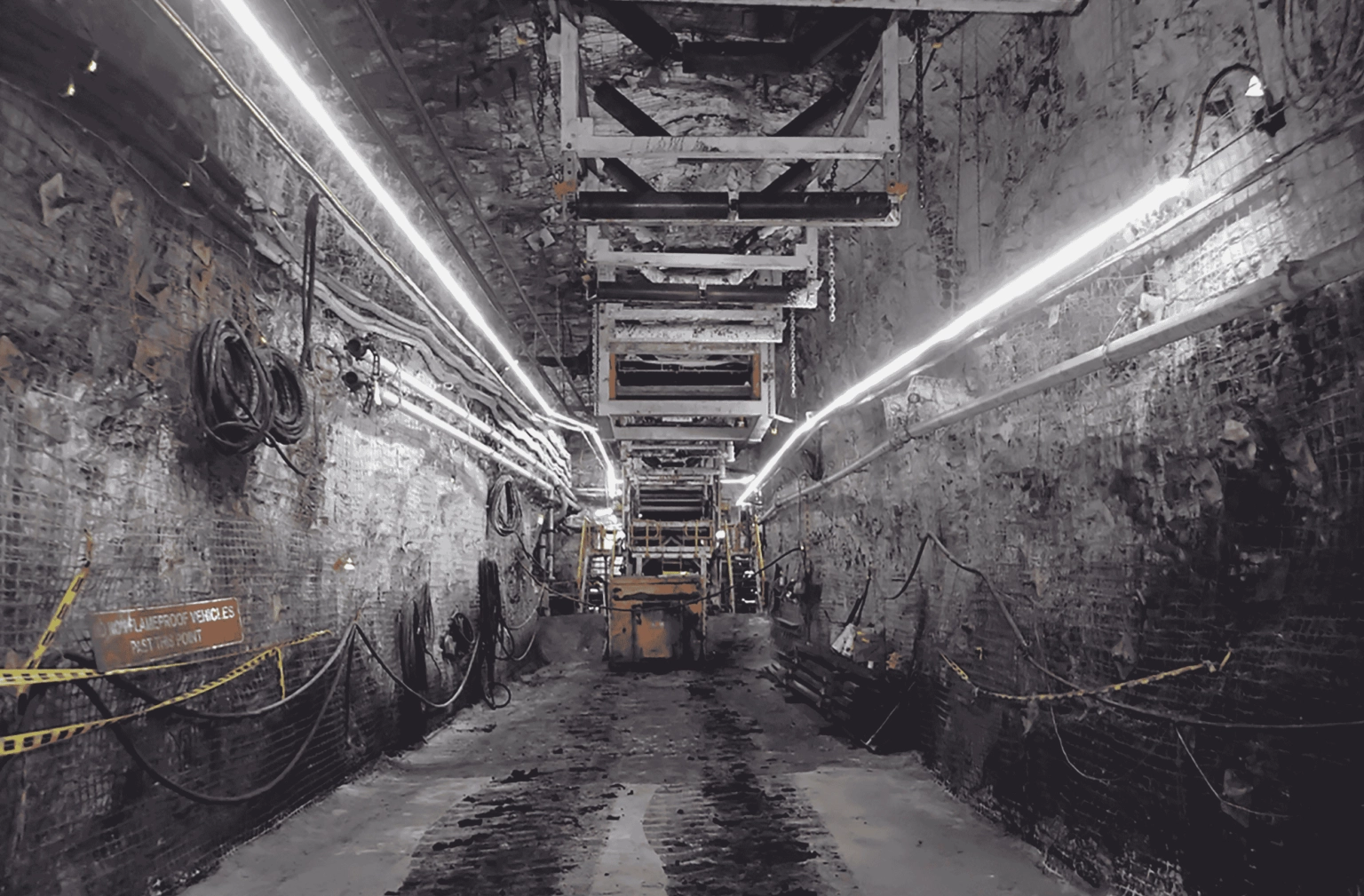
A heavy-duty, long-run strip lighting solution for tunnels, mining routes and industrial infrastructure. Available in 24V, 36V and 48V versions for different run-length requirements and harsh-environment use.
In industrial and underground environments, traditional spaced fixtures leave dark gaps, creating a stroboscopic "broken-light" effect that causes eye fatigue for operators and drivers.
Long industrial routes often need more continuous visibility. A continuous strip reduces this broken-light effect, ensuring safety and operational efficiency. Tunnel, mining, and conveyor routes benefit immensely from one connected light line.
"Buyers should compare lighting continuity and long-run stability, not just fixture count or headline lumen output."
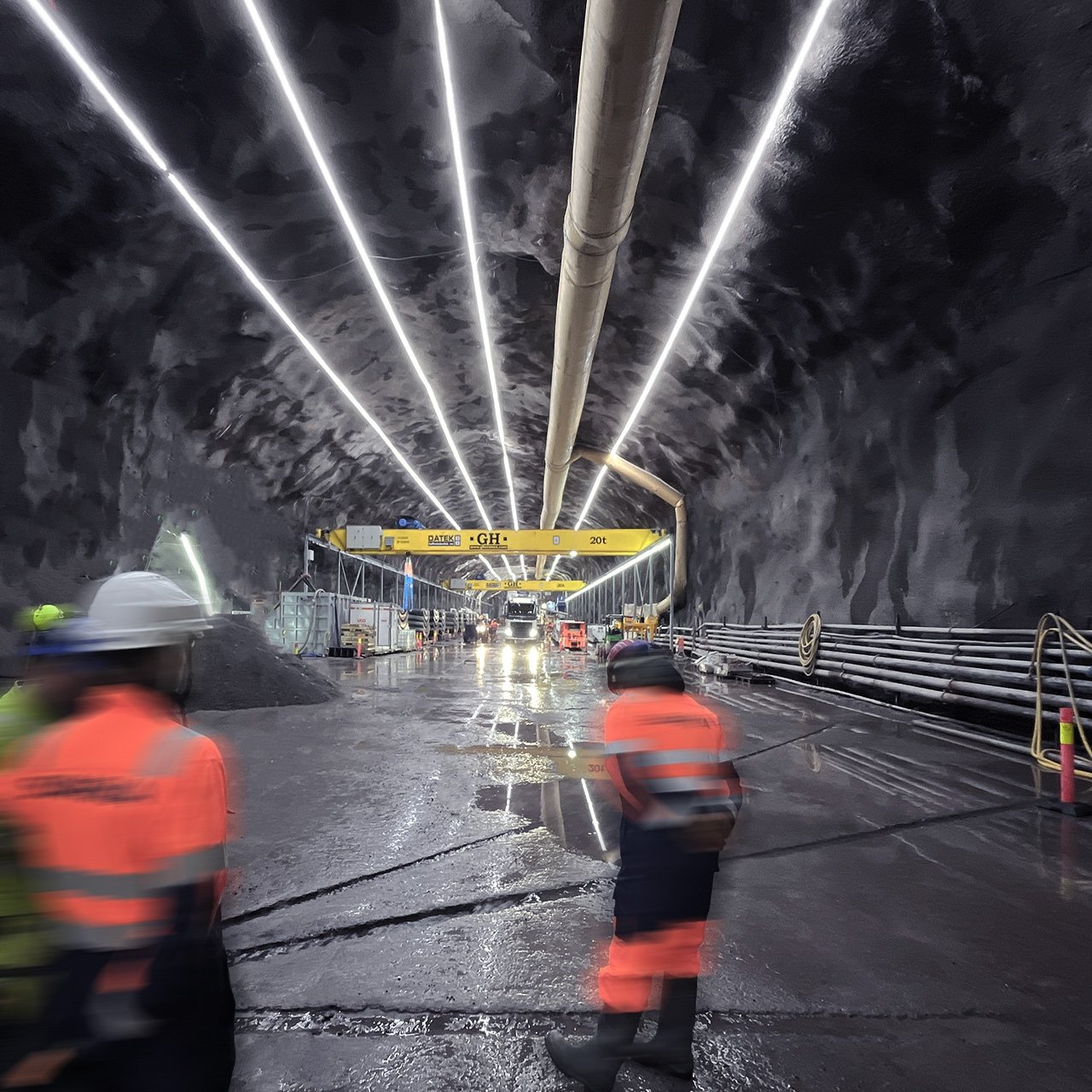
Engineered for routes that demand a continuous light line, long run power logic, and extreme industrial durability.
Requires IK10 impact resistance and continuous illumination for underground safety.
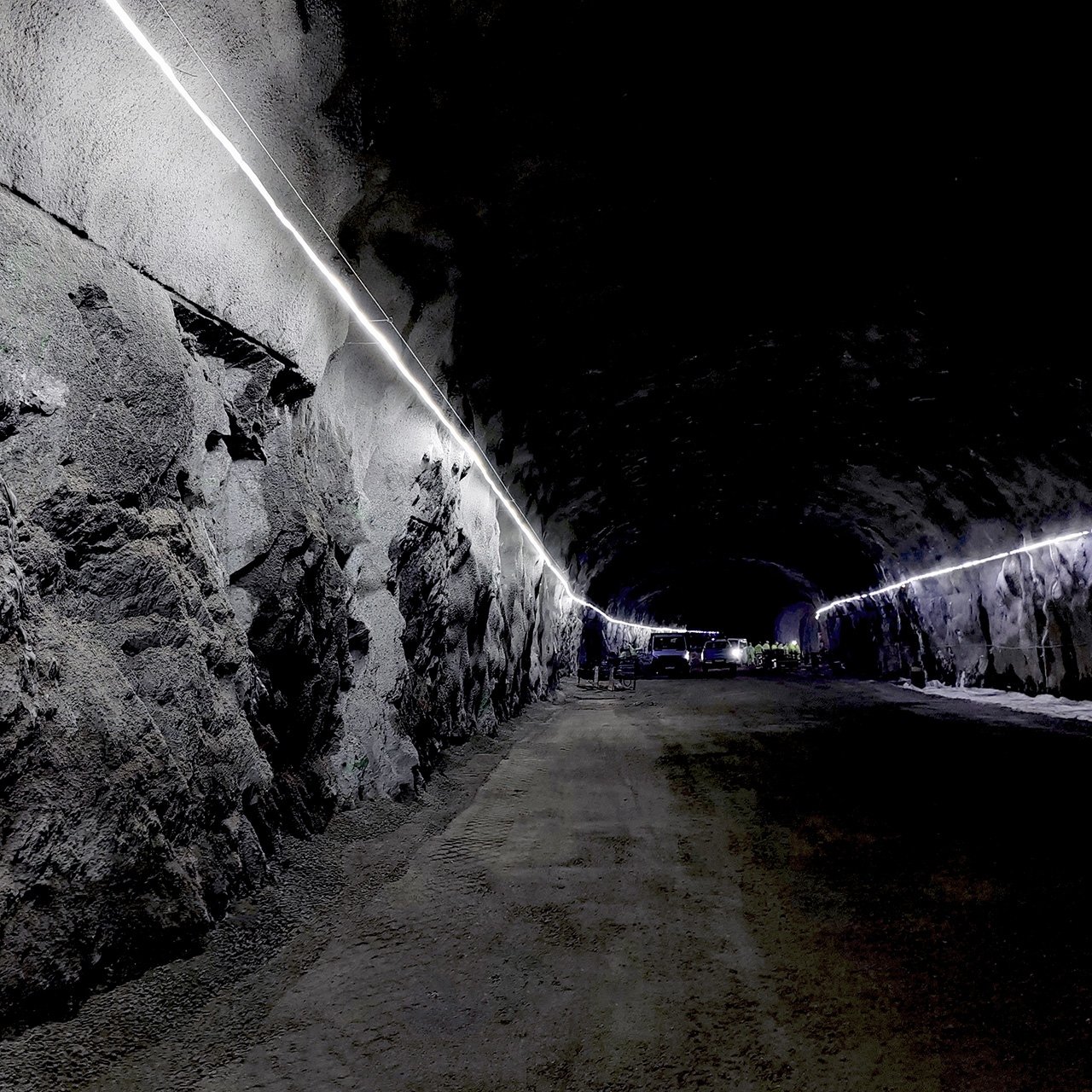
Demands reliable, long-run lighting with excellent voltage drop control.
Uniform, glare-free lighting for underground break and operational areas.
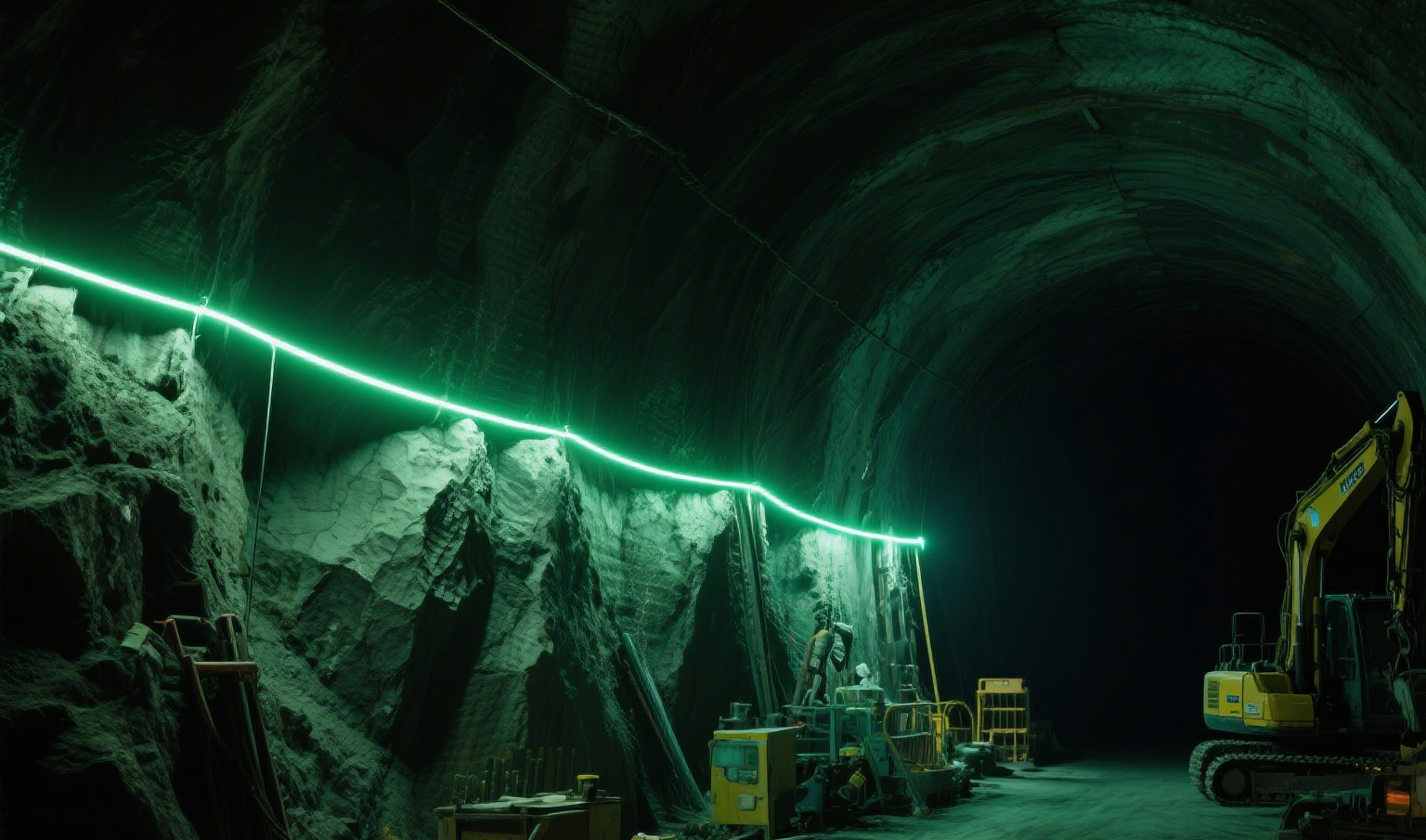
High-vibration and dusty environments necessitating IP67 sealed construction.
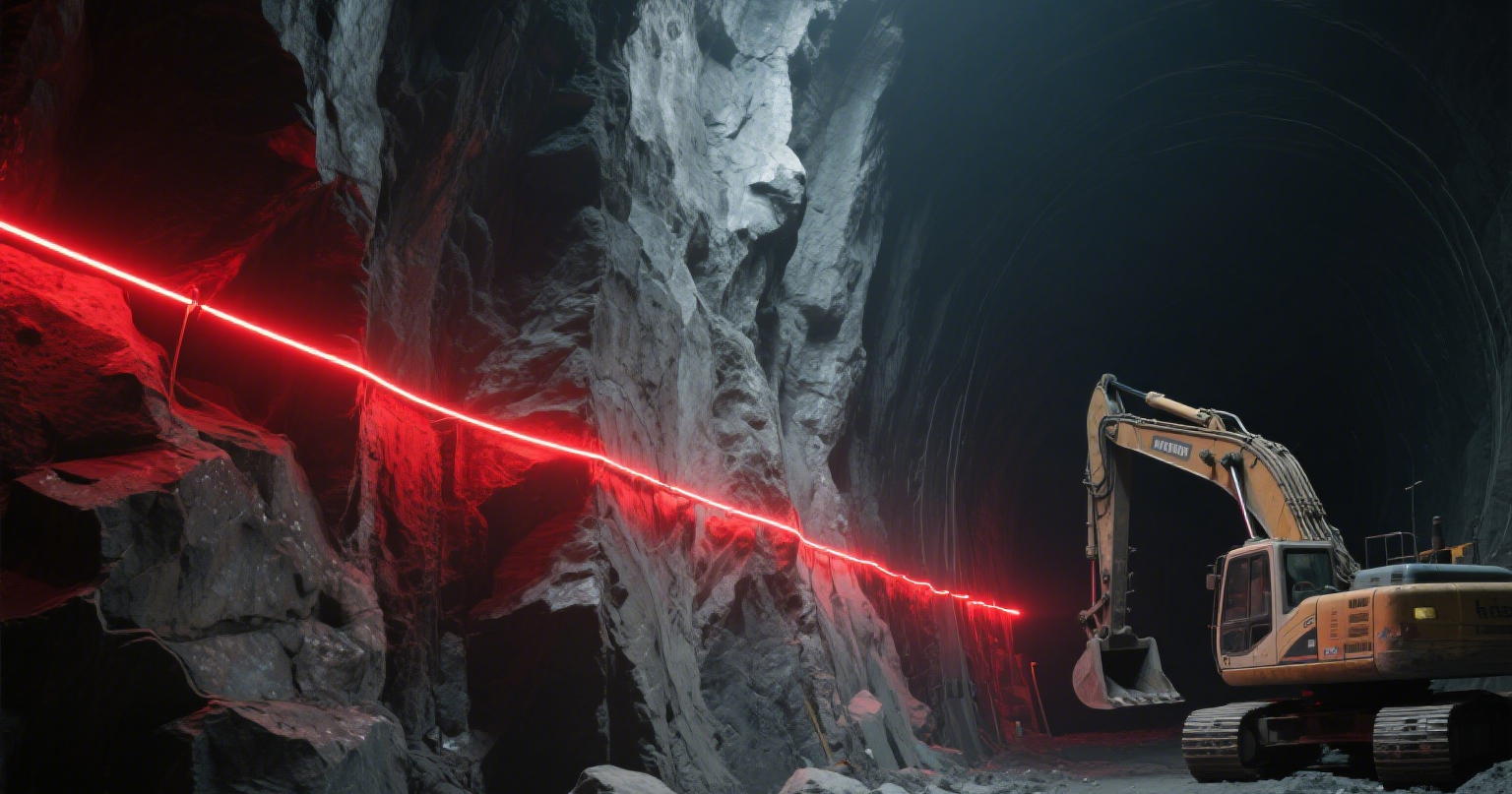
Extended linear routes where 48V systems minimize power feed points.
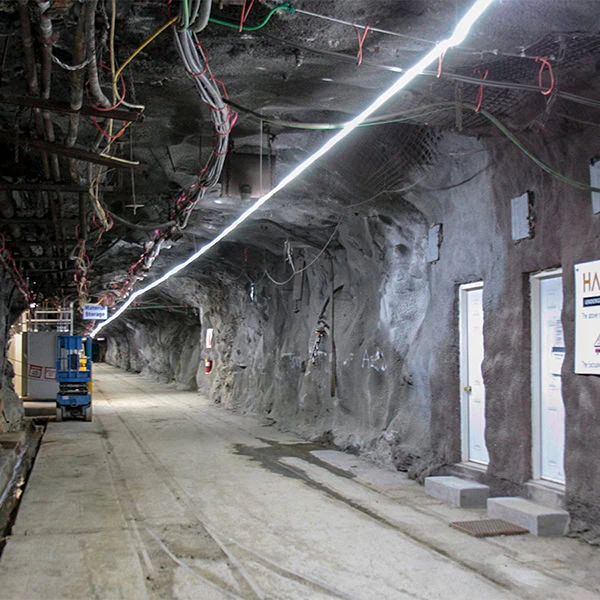
Utility routes requiring quick daisy-chain installation and minimal maintenance.
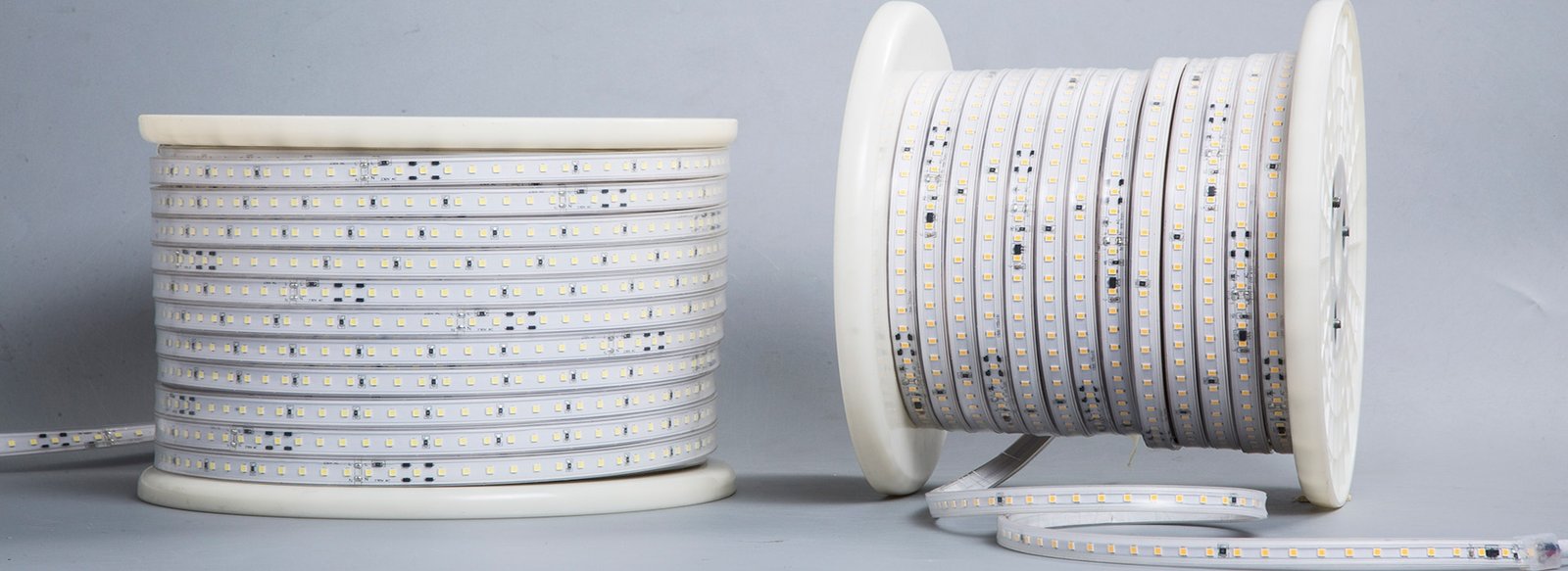
A Tunnel & Mining LED Strip is a heavy-duty, long-run strip lighting solution specifically engineered for tunnels, mining routes, and industrial infrastructure. It is not a standard indoor LED tape.
This product category emphasizes continuous linear light, long single-feed runs, impact resistance, sealed construction, and quick industrial installation.
Within this category, there are three primary voltage versions: 24V, 36V, and 48V. The core difference between them is not visual appearance, but rather their single-end run length, voltage drop control capability, and suitability for different industrial route lengths.
Higher voltage means lower current, resulting in lower voltage drop and significantly longer usable run lengths.
Essential industrial parameters for rapid project evaluation.
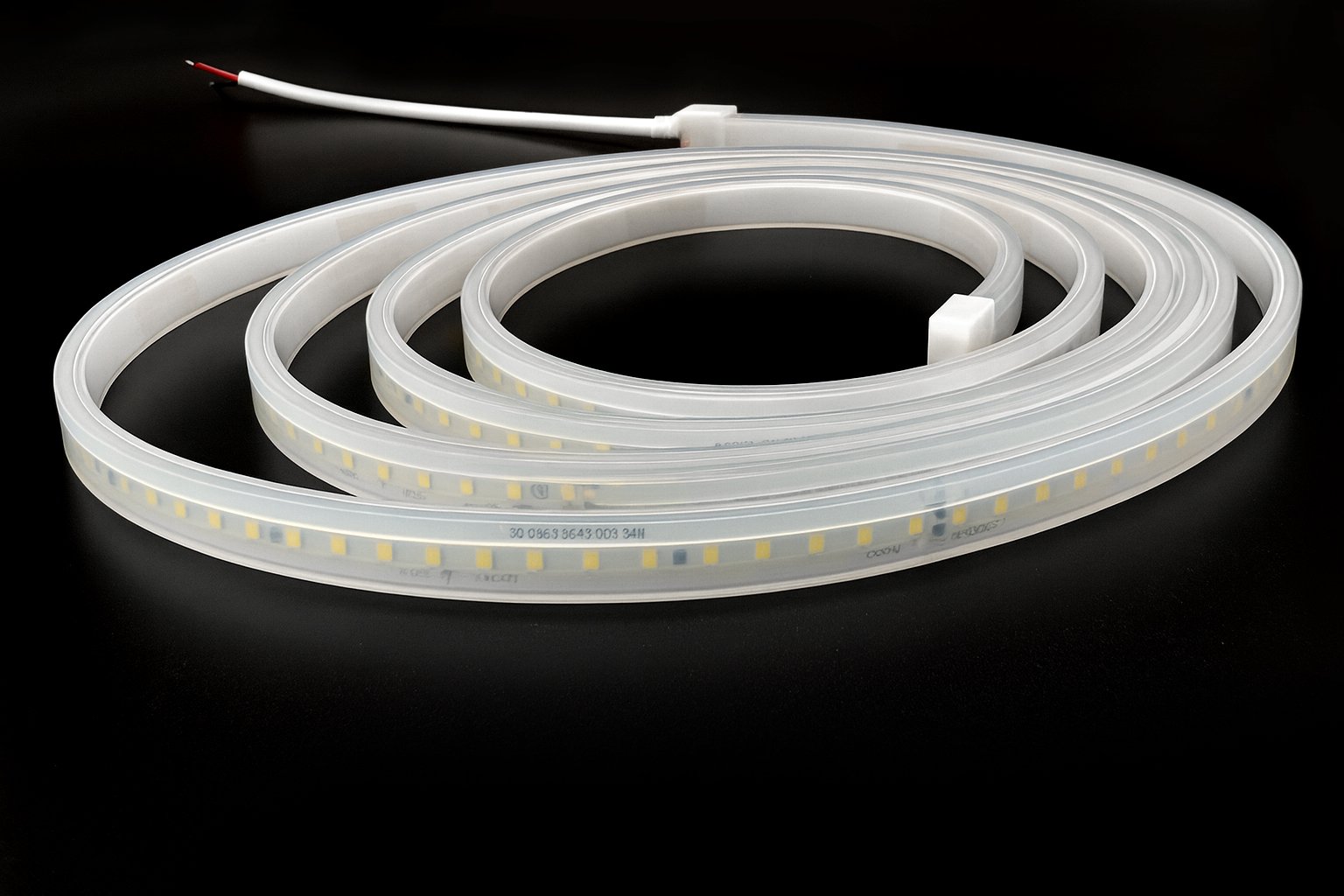
The 24V version is ideal for shorter industrial routes, compact wiring sections, and projects where ultra-long single-feed runs are not required. It provides the same robust industrial construction but operates within standard 24V system limits.
Professional Logic: 24V typically supports a ≈ 20m long run before voltage drop becomes significant.
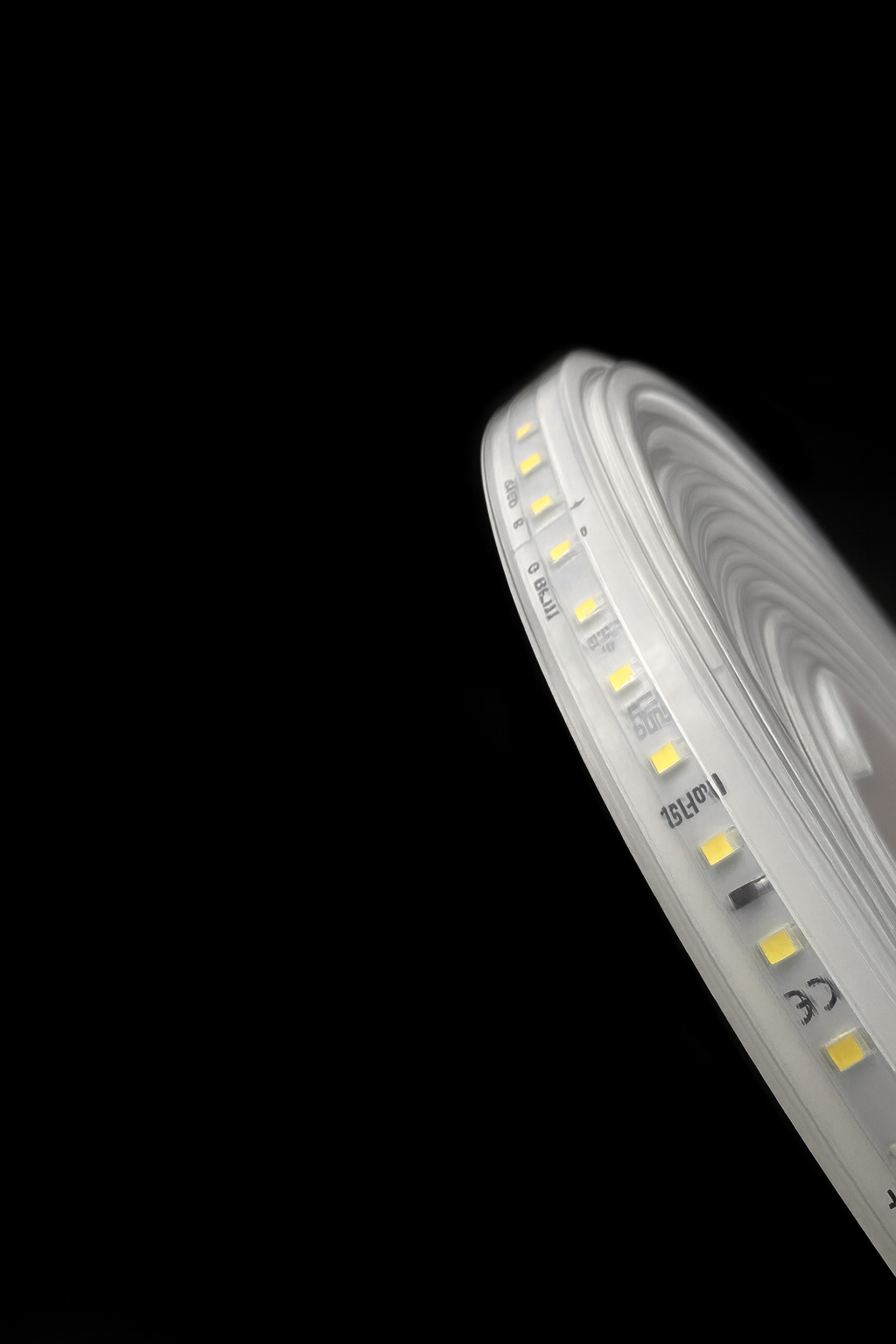
The 36V version is engineered for medium-length industrial routes. It serves as the perfect middle ground when 24V run lengths become a bottleneck, but the project doesn't quite demand the extremes of a 48V system.
Professional Logic: 36V typically supports a ≈ 30m long run, offering better voltage drop control than standard strips.
The 48V version represents the pinnacle of long-run industrial lighting. It is designed for the longest routes where minimizing power feed points and maintaining absolute brightness consistency is critical.
Professional Logic: In the super-long strip category, 48V achieves remarkable distances: up to 150m on a single feed at 5 W/m, or 100m at 8 W/m, effectively achieving zero voltage drop perception.
A quick decision framework based on industrial project realities.
Choose 24V when the route is shorter and system compatibility is the priority.
Choose 36V when 24V run length becomes limiting but the project is not yet in the longest-run range.
Choose 48V when long single-feed distance and voltage-drop control matter most.
Compare run length first, not just nominal wattage, to plan industrial installations.
Higher voltage usually means lower current and better long-run stability.
Why do buyers compare 24V vs 36V vs 48V in long-run industrial lighting? The core reason is voltage drop. Over long distances, electrical resistance causes voltage to drop, leading to dimming at the end of the strip.
Rule of thumb: Higher voltage = Lower current = Lower voltage drop.
Higher voltage versions help reduce voltage drop, and 24V / 36V / 48V are specifically utilized for long-run improvement. By moving to 48V, you decrease the current flowing through the PCB, which minimizes power loss as heat and maintains consistent brightness from start to finish.
Built to survive dusty, moist, shock-prone and high-vibration routes.
High-density configuration ensures a continuous, spot-free linear light essential for tunnel visibility.
Superior thermal management and flexibility, resisting degradation in harsh industrial temperatures.
Maximum protection against physical shocks, falling debris, and equipment impacts in mining zones.
Fully protected against dust ingress and low-pressure water jets from any direction.
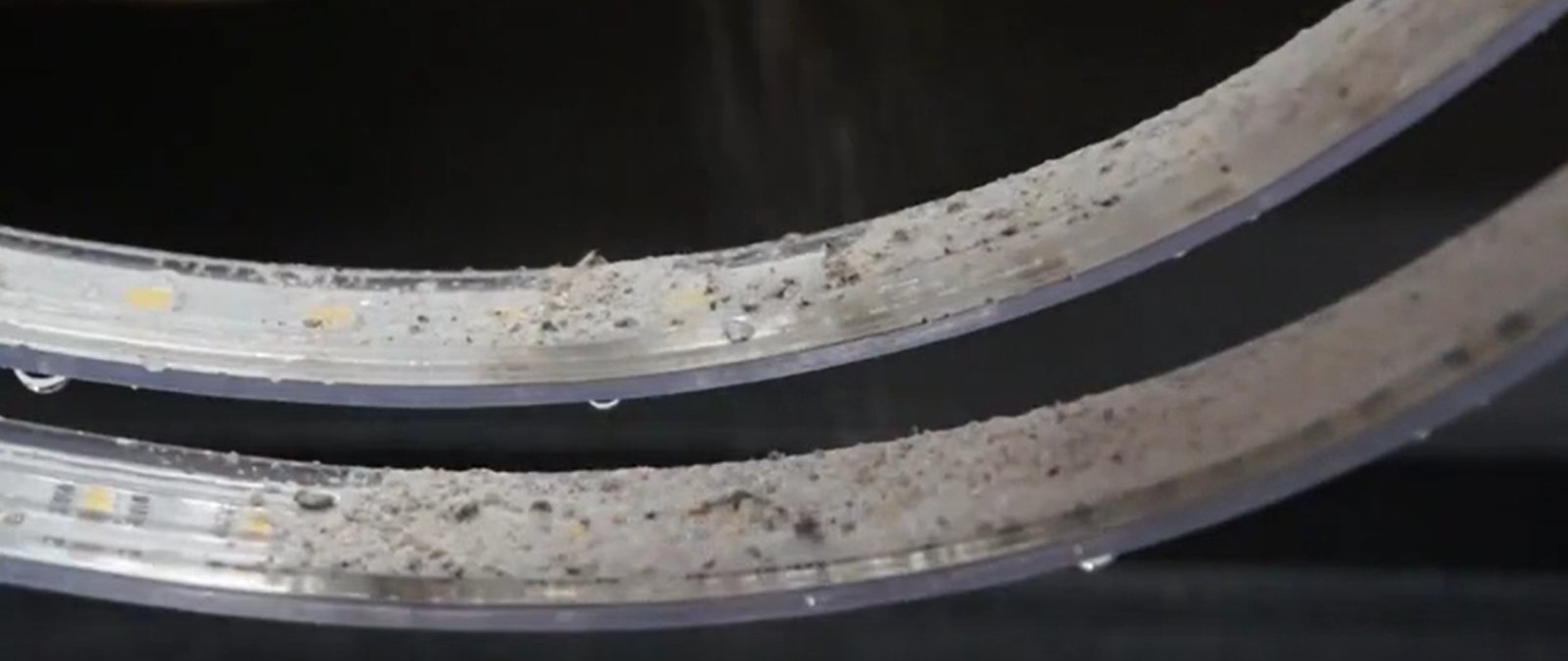
Mining and tunnel lighting often faces extreme conditions: heavy dust, persistent moisture, chemical mist, and highly corrosive atmospheres (like salt or alkaline environments).
In these harsh industrial routes, impact resistance alone is not enough without comprehensive surface and enclosure durability. A cracked casing or degraded seal leads to immediate electrical failure.
Our silicone extrusion and fully sealed construction matter because they provide a continuous barrier. Buyers must consider corrosion resistance, dust protection, and moisture resistance together to ensure the lighting system outlasts the project phase.
Designed for rapid deployment across vast industrial networks.
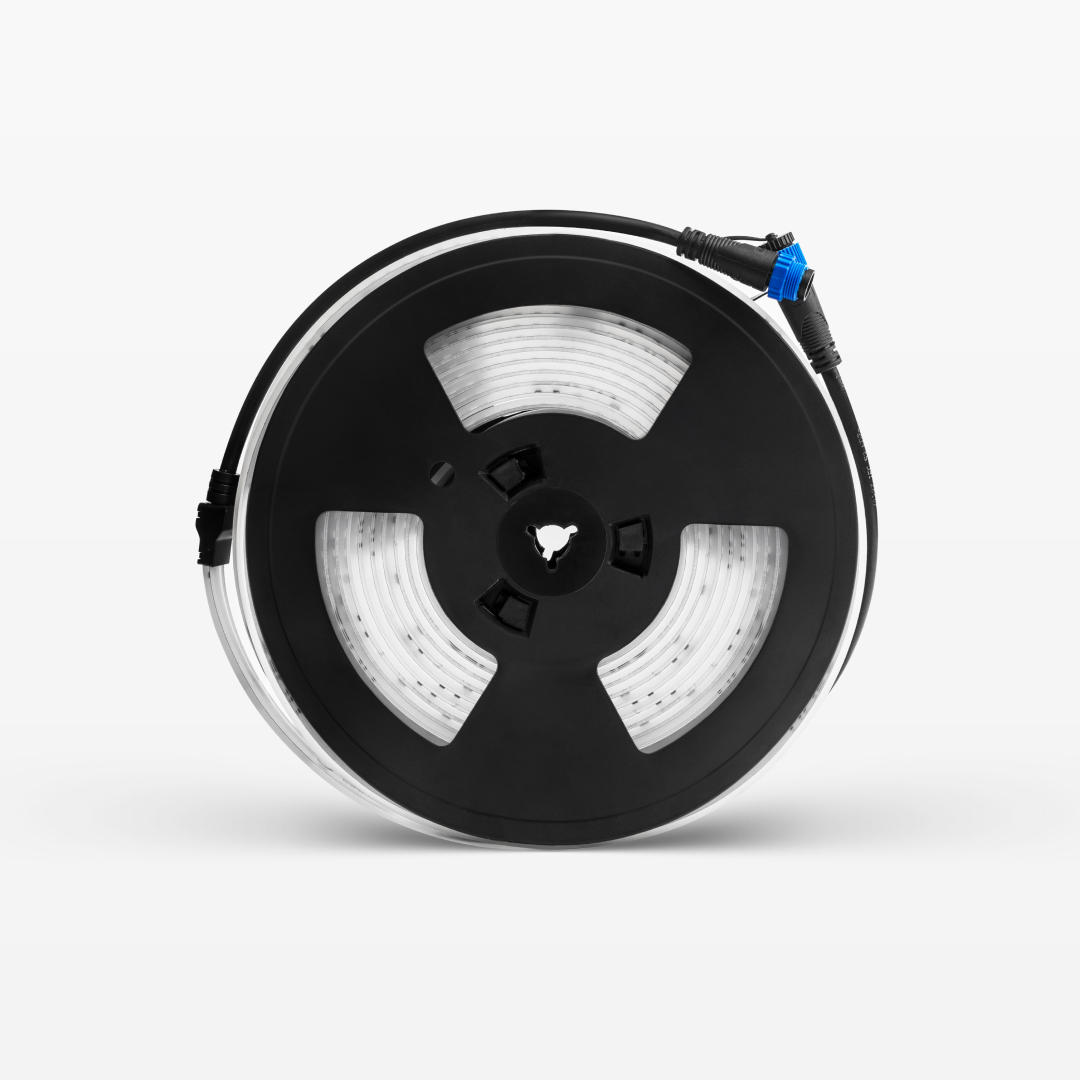
Provided in 20 m pre-terminated reels with robust male/female connectors. This allows for quick daisy-chain installation without complex field soldering, drastically reducing labor time in tunnels.
Long-route installation differs from standard projects. Planning feed points across 24V / 36V / 48V versions dictates the required power infrastructure. 48V minimizes these points.
For continuous industrial operation, power supplies should not be run at 100% capacity. Practical headroom logic dictates that the power supply should be sized with 20–30% headroom to ensure longevity.
Access comprehensive technical data for project planning and bid submissions.
Tested and verified for the most demanding environments.
Global compliance for major industrial and mining projects.
It is a heavy-duty, long-run linear lighting solution engineered for tunnels, mining routes, and industrial corridors. It features impact resistance (IK10), sealed construction (IP67), and operates on 24V, 36V, or 48V systems to deliver continuous light over long distances.
Spaced fixtures create dark gaps and a "broken-light" effect that causes eye strain. Continuous tunnel LED strips provide uniform, unbroken illumination, improving safety and visibility along the entire industrial route.
The core difference is the maximum single-feed run length and voltage drop control. 24V is for shorter routes (≈20m). 36V balances length and system needs (≈30m). 48V is for super-long runs (up to 150m) requiring zero voltage drop perception and minimal feed points.
Higher voltage (like 48V) means lower electrical current for the same power output. Lower current reduces resistance and heat along the PCB, significantly reducing voltage drop. This ensures consistent brightness from the start to the end of a very long strip.
Mining and tunnel routes are harsh, dusty, high-vibration, and often moist environments. Without sealed, anti-corrosive, and dustproof construction, the internal LEDs and circuitry will quickly fail due to chemical mist, water ingress, or dust accumulation.
Yes. As a manufacturer, we support OEM/ODM customization including specific lengths, power outputs, connector types, and branding requirements for large-scale mining contractors and distributors.
Consult with our industrial lighting engineers to determine the exact 24V, 36V, or 48V configuration for your long-run project.